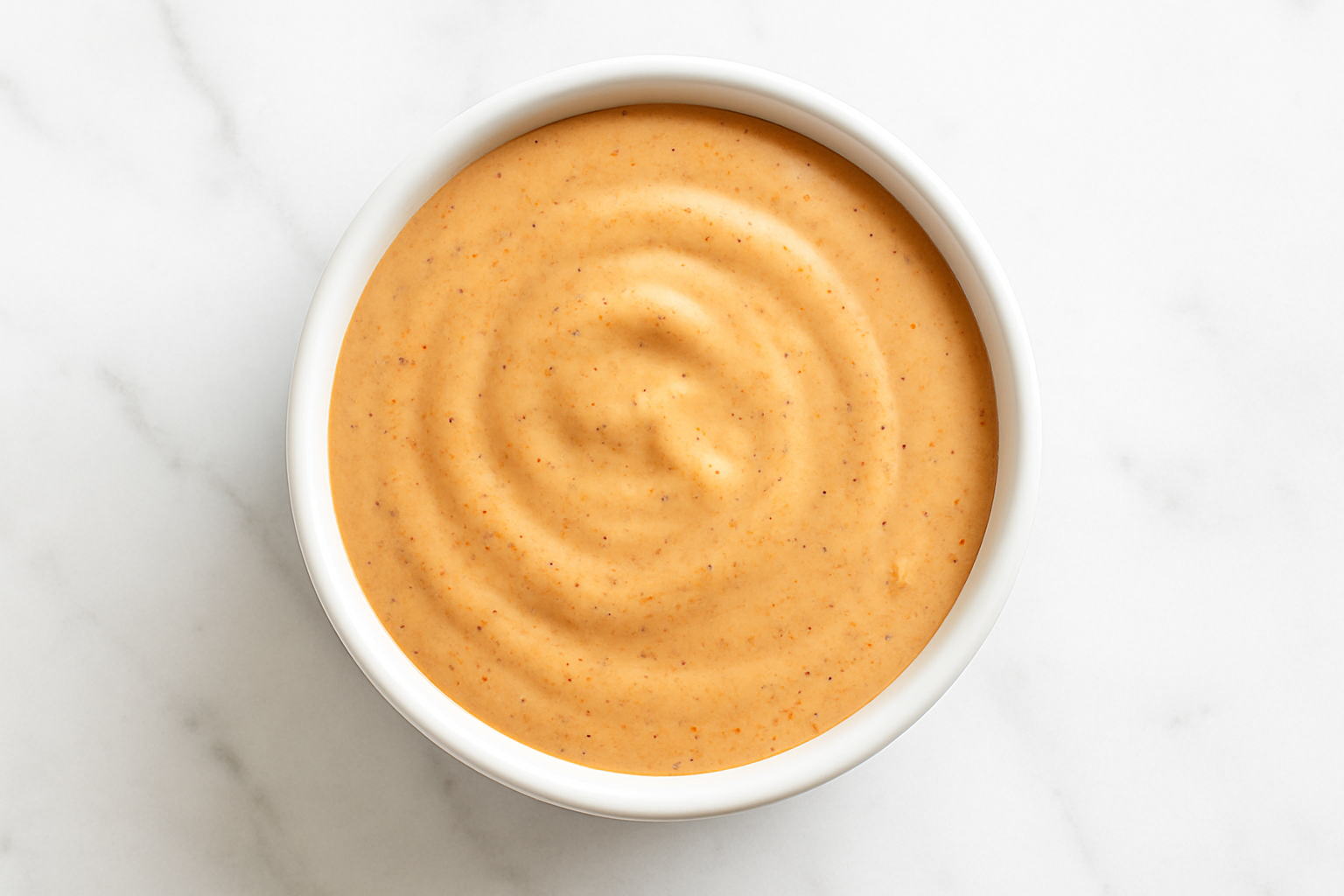
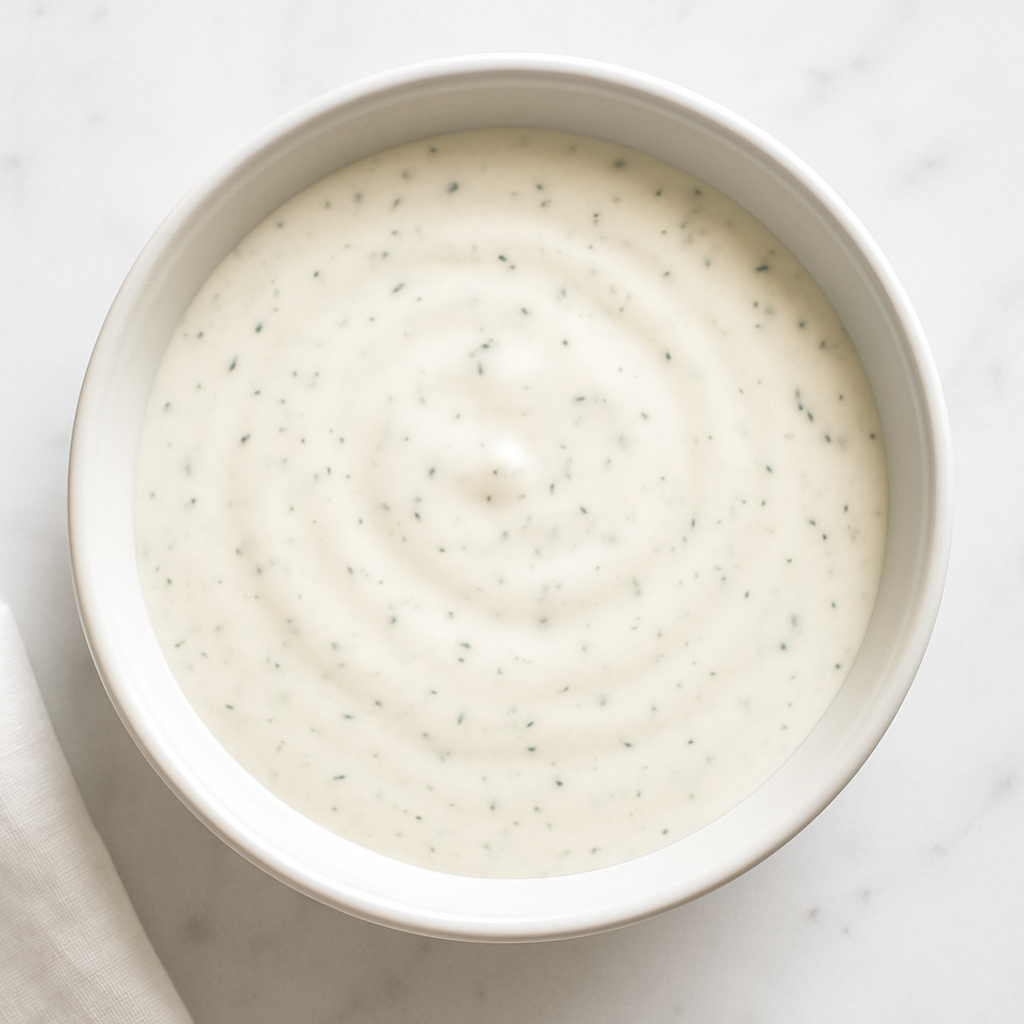
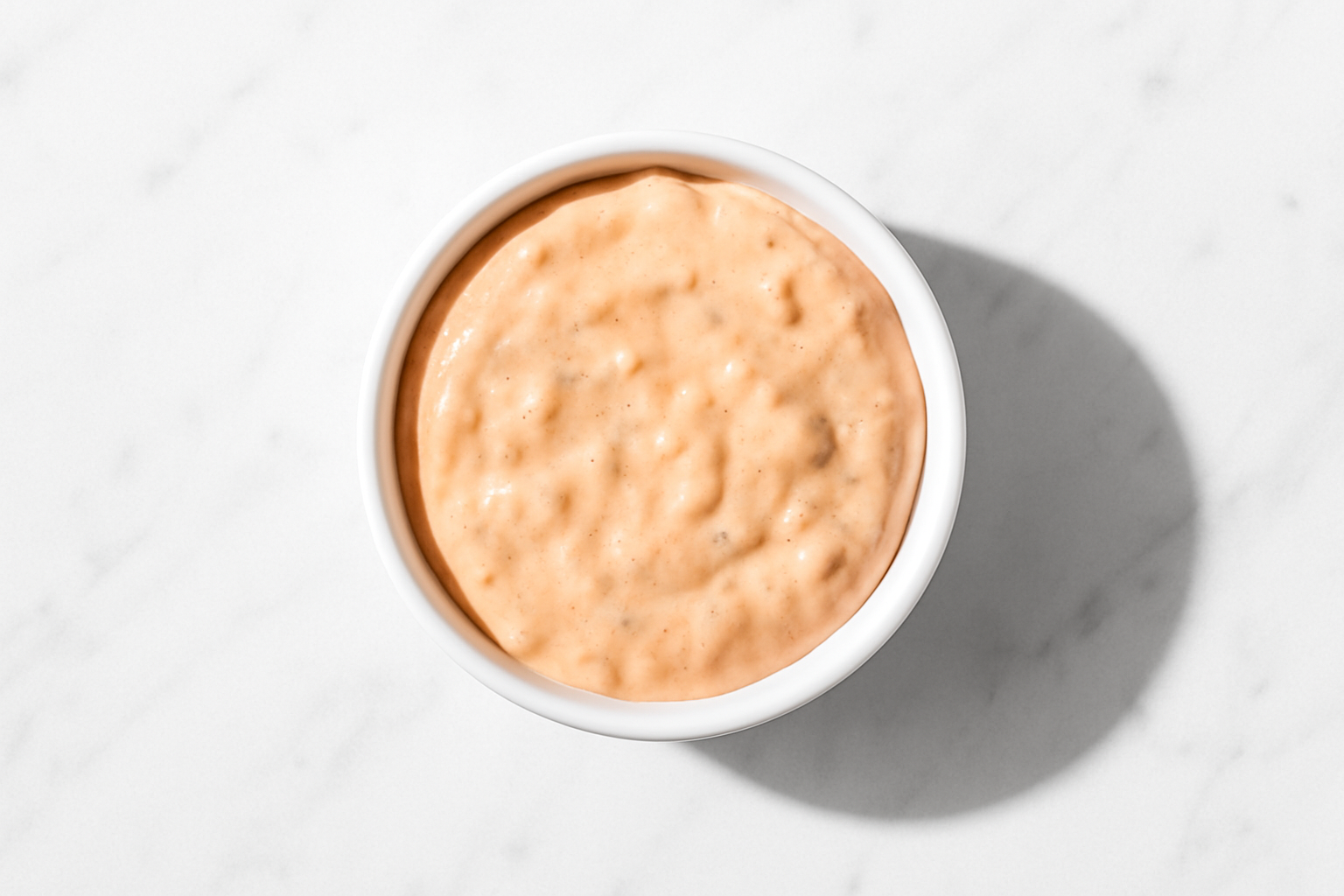
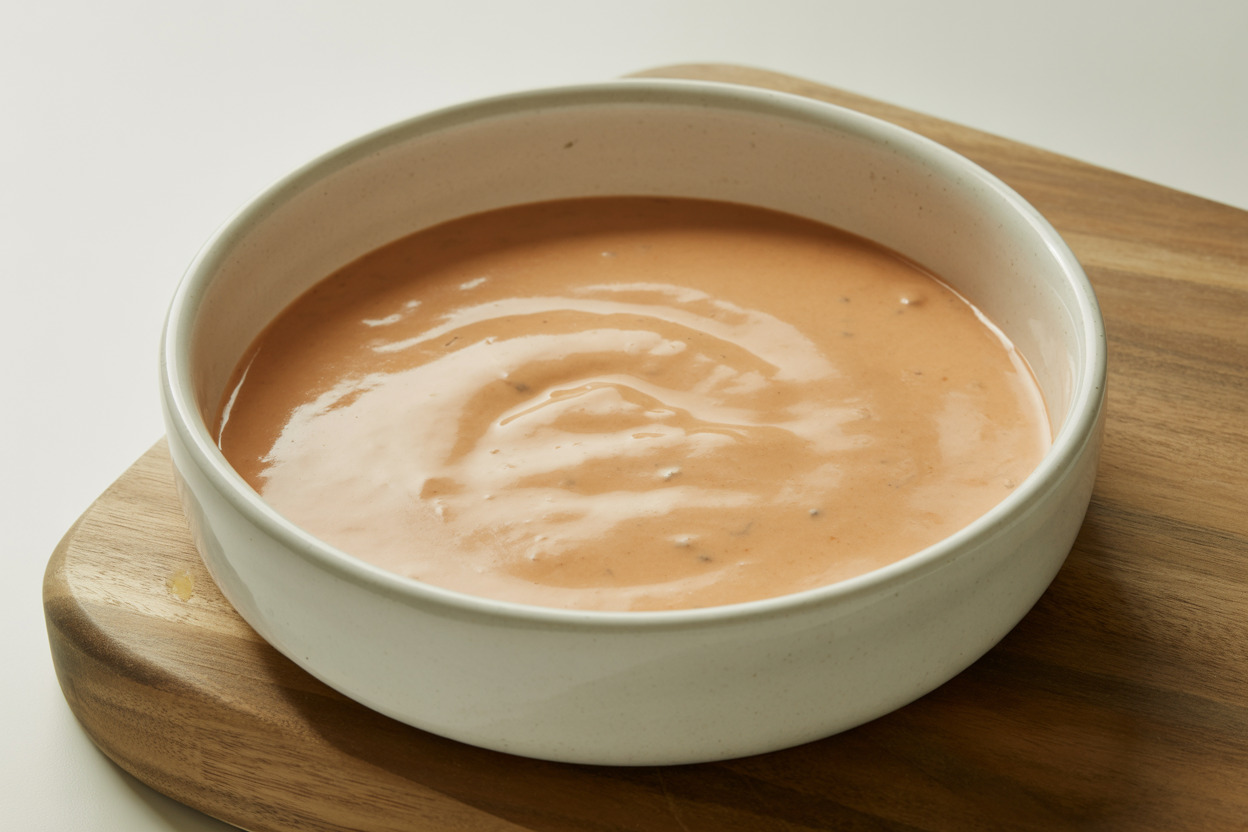
Why Make Restaurant Sauces at Home?
Restaurant sauces guard their recipes closely, but most rely on the same pantry staples you already own—mayonnaise, ketchup, mustard, pickle relish, vinegar, and a handful of spices. The “secret” usually comes down to precise ratios and one or two surprising ingredients that elevate the sauce from ordinary to addictive. After deconstructing dozens of drive-through favorites in my kitchen over eight years, I've found that homemade versions aren't just cheaper—they taste fresher because you skip the stabilisers and preservatives that commercial production requires. If you're curious about how I break down restaurant flavors, read our guide on how to reverse-engineer any restaurant sauce.
My testing process is straightforward: I order the original sauce, taste it side-by-side with each iteration, and adjust until it's as close as possible to the original. I also note which ingredients can be swapped for dietary needs—dairy-free mayo for Chick-fil-A sauce, sugar-free ketchup for Big Mac sauce—without losing the signature flavour.
What You'll Find in This Collection
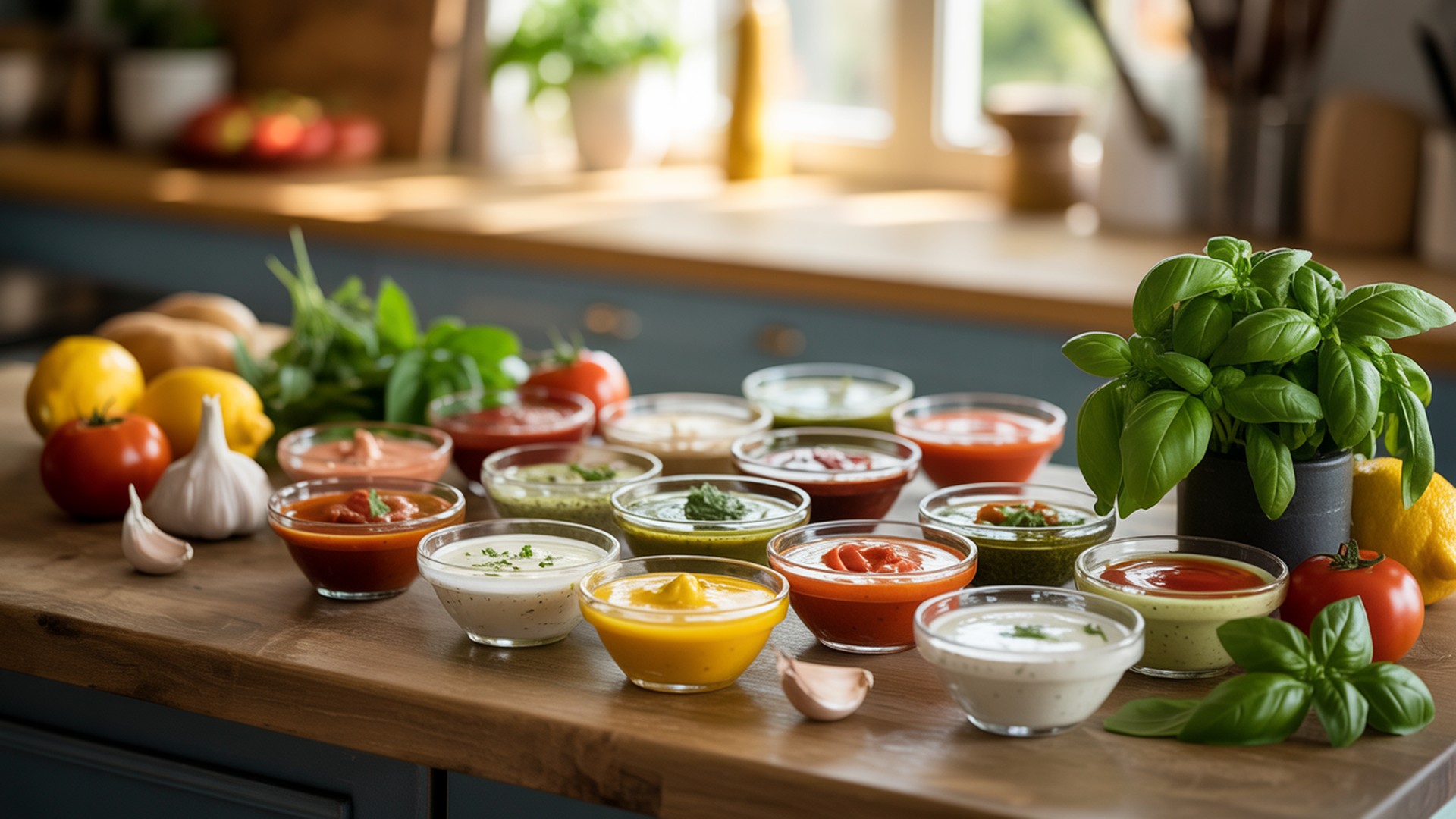
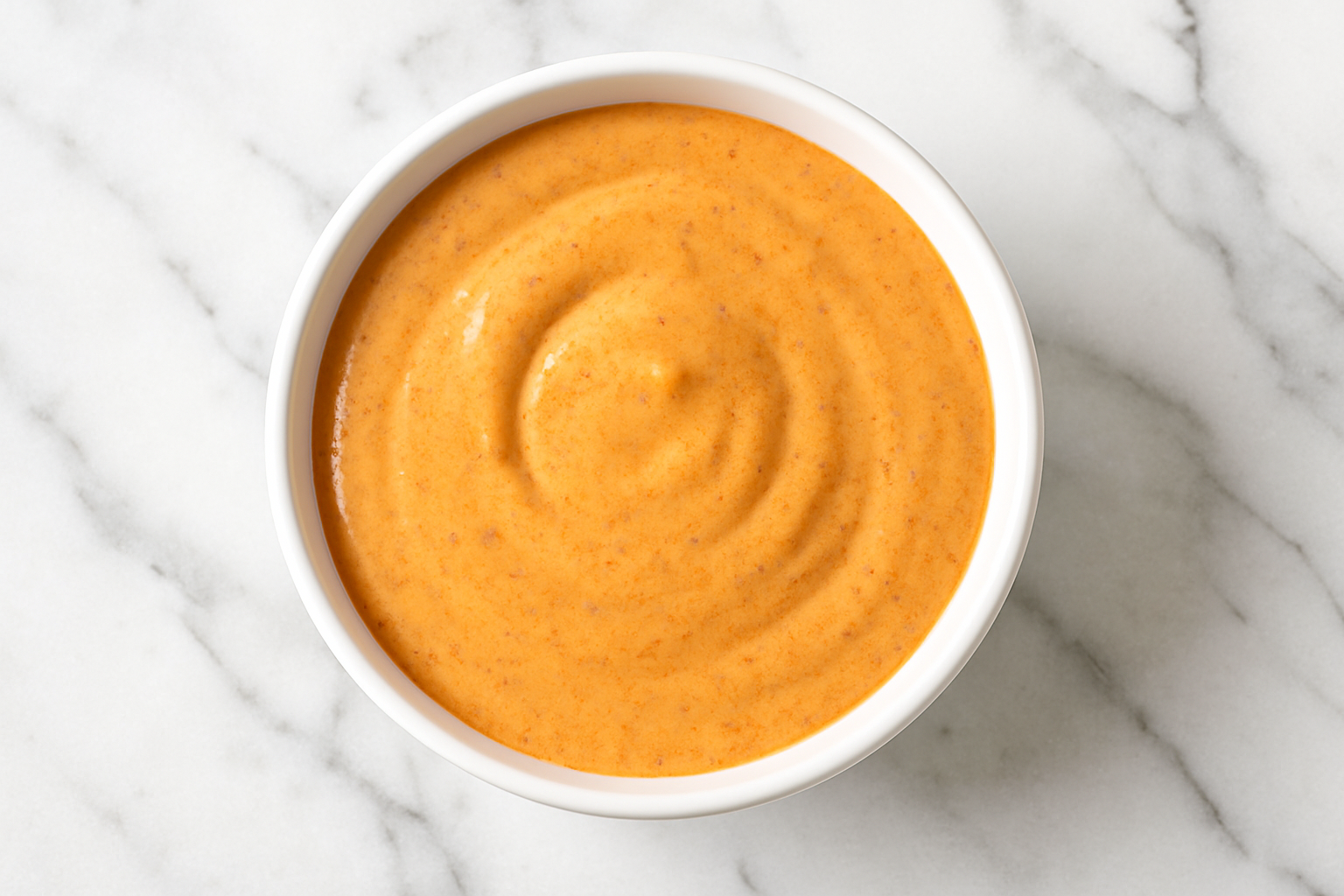
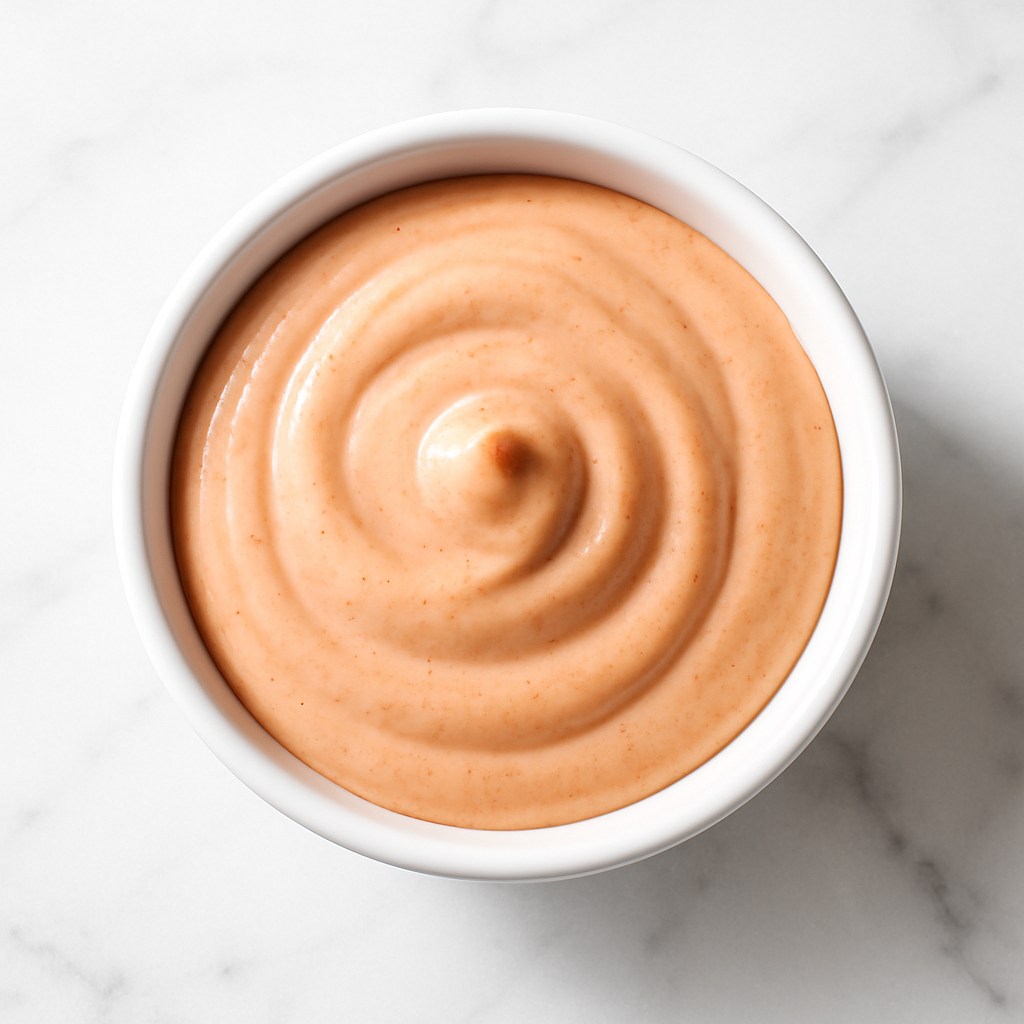
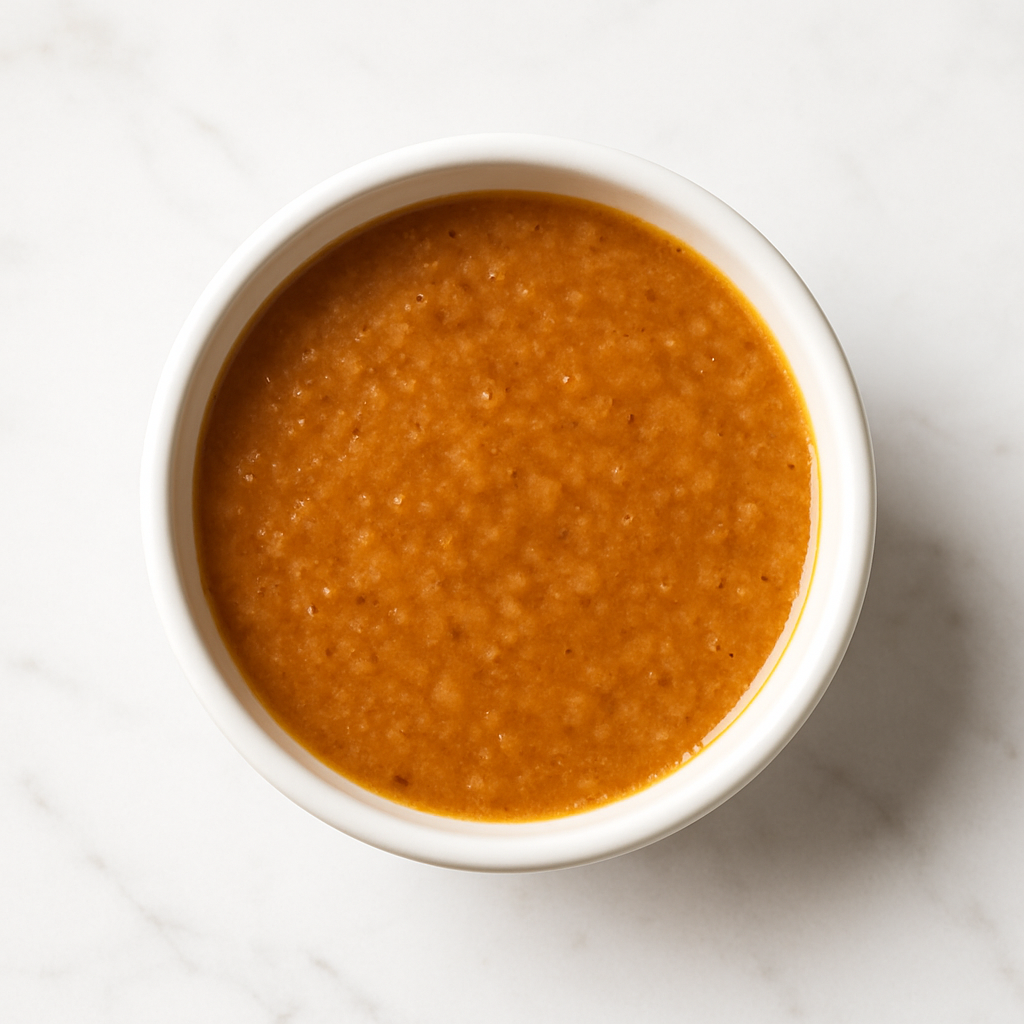
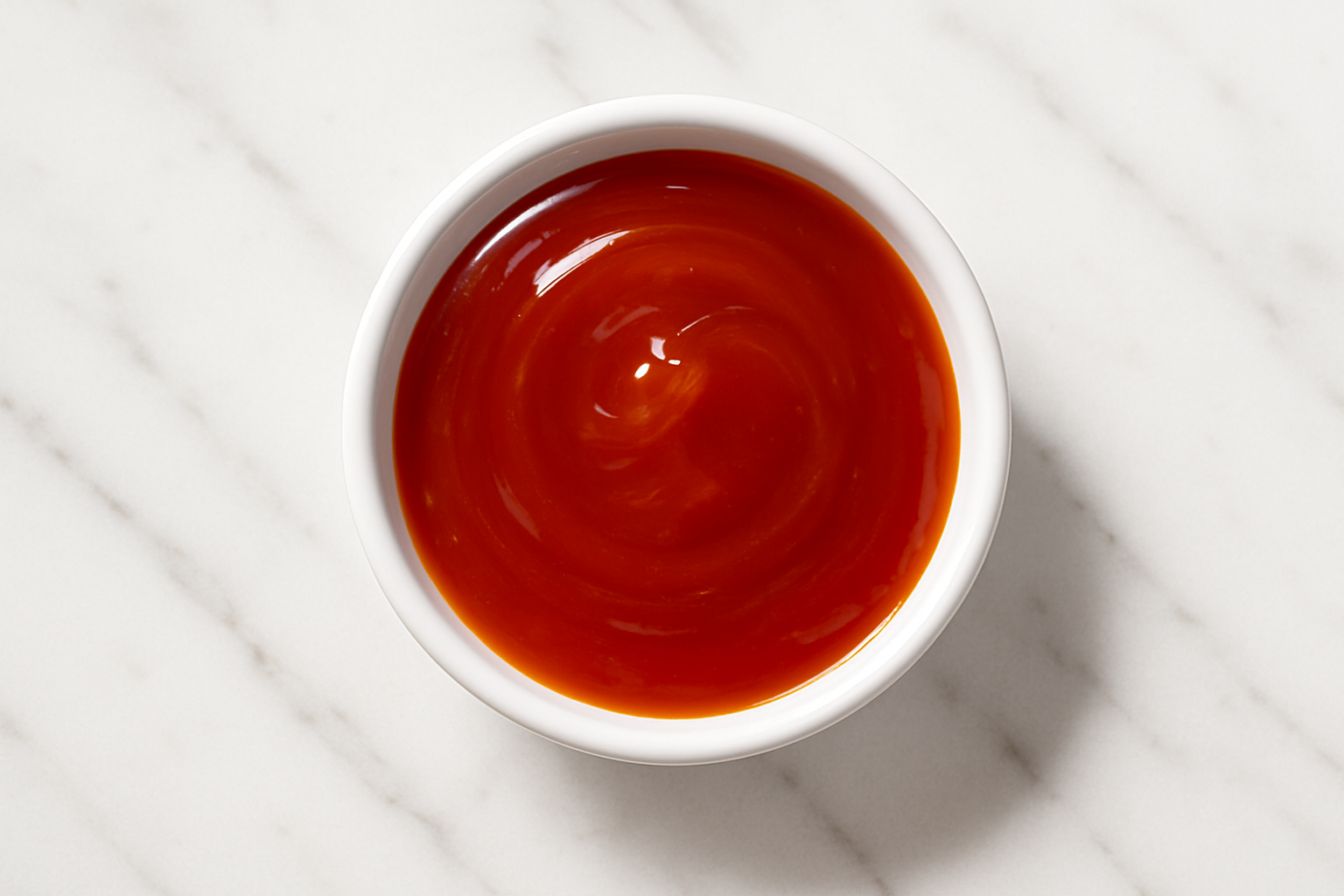
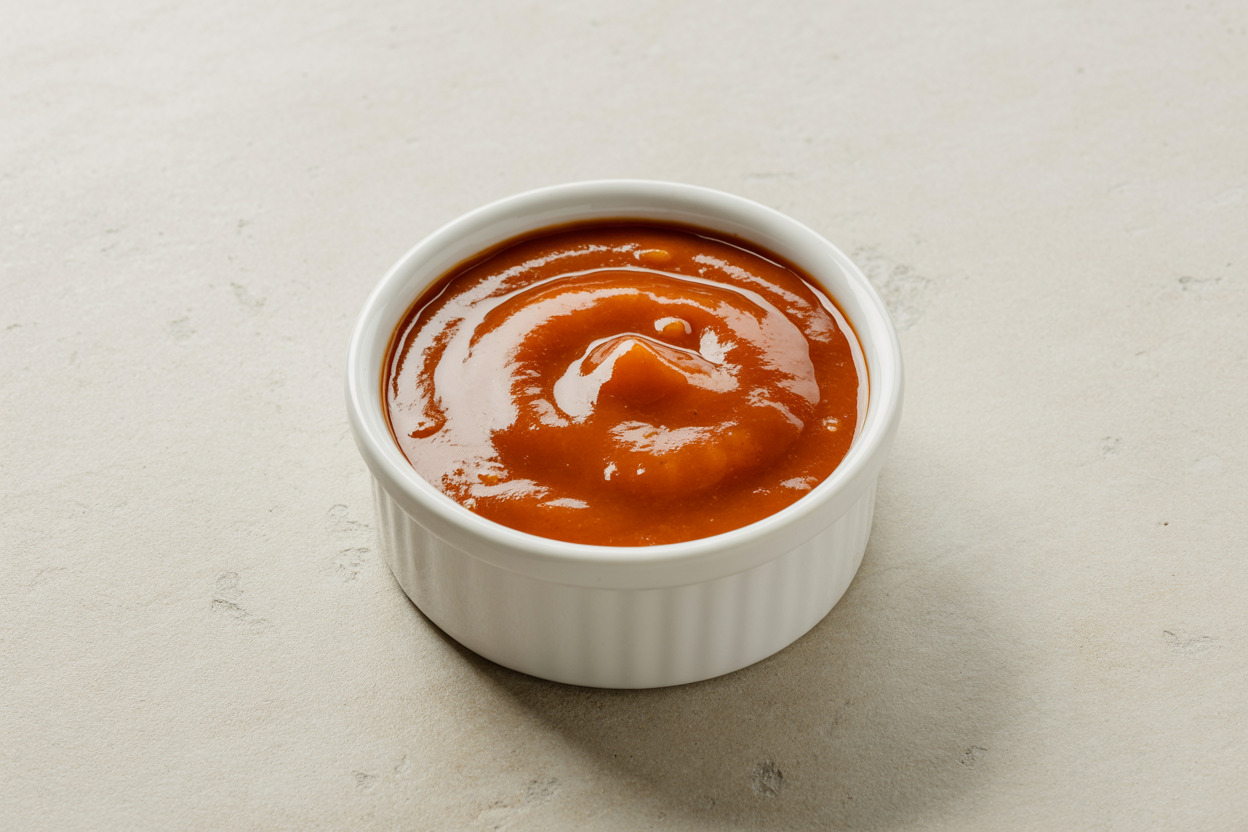
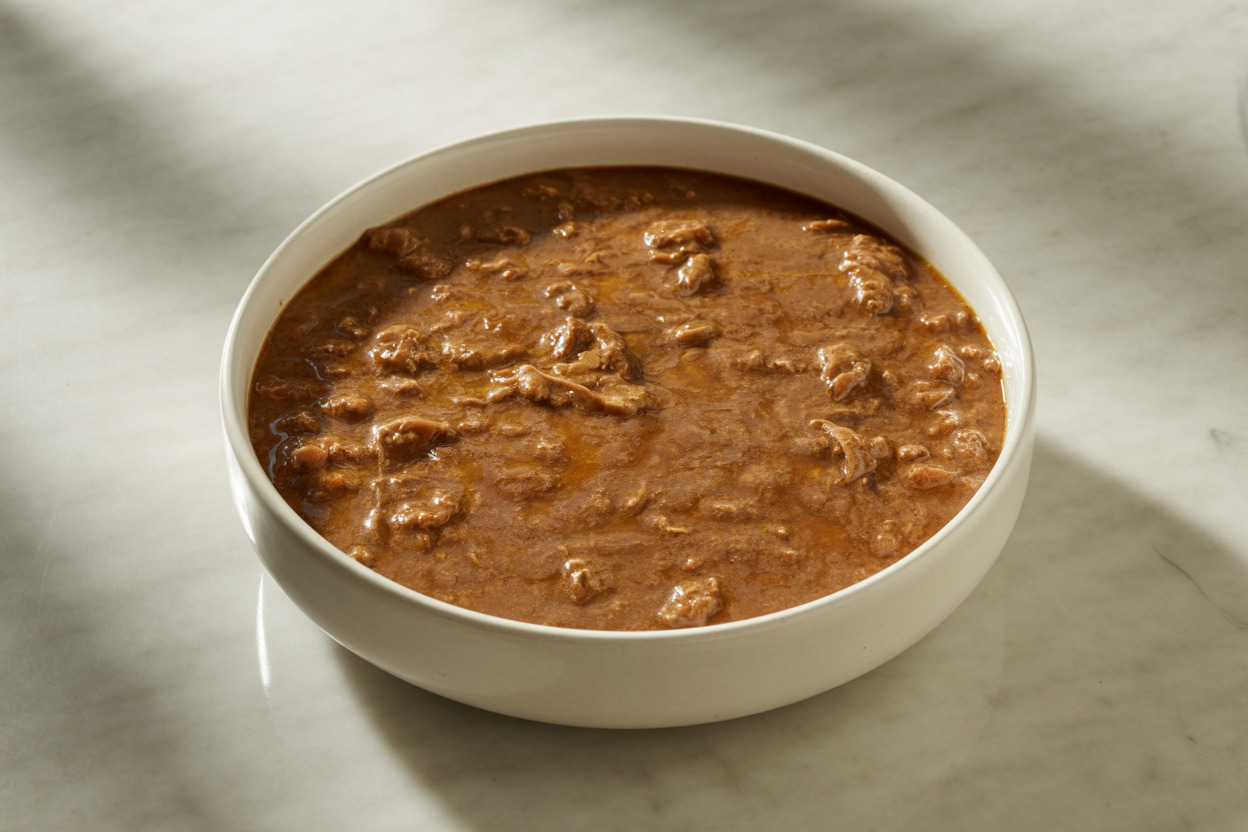
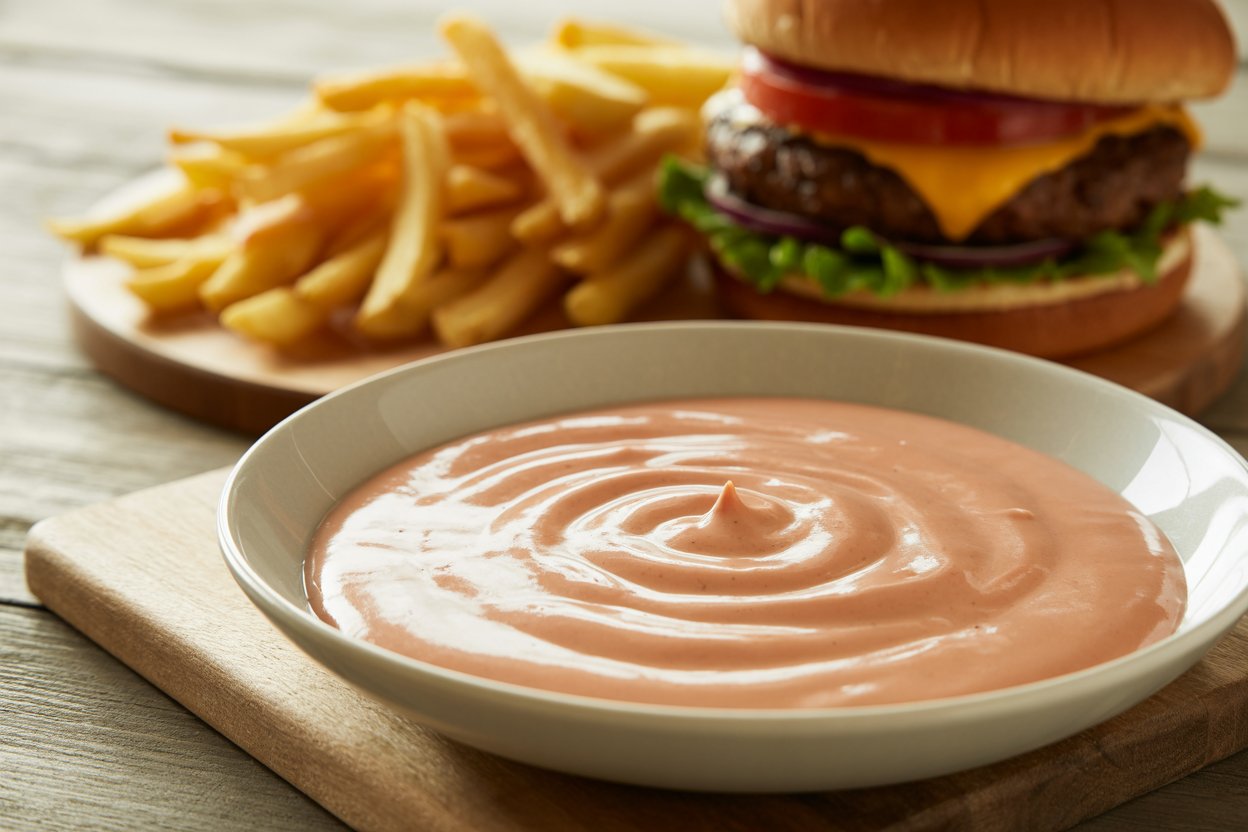
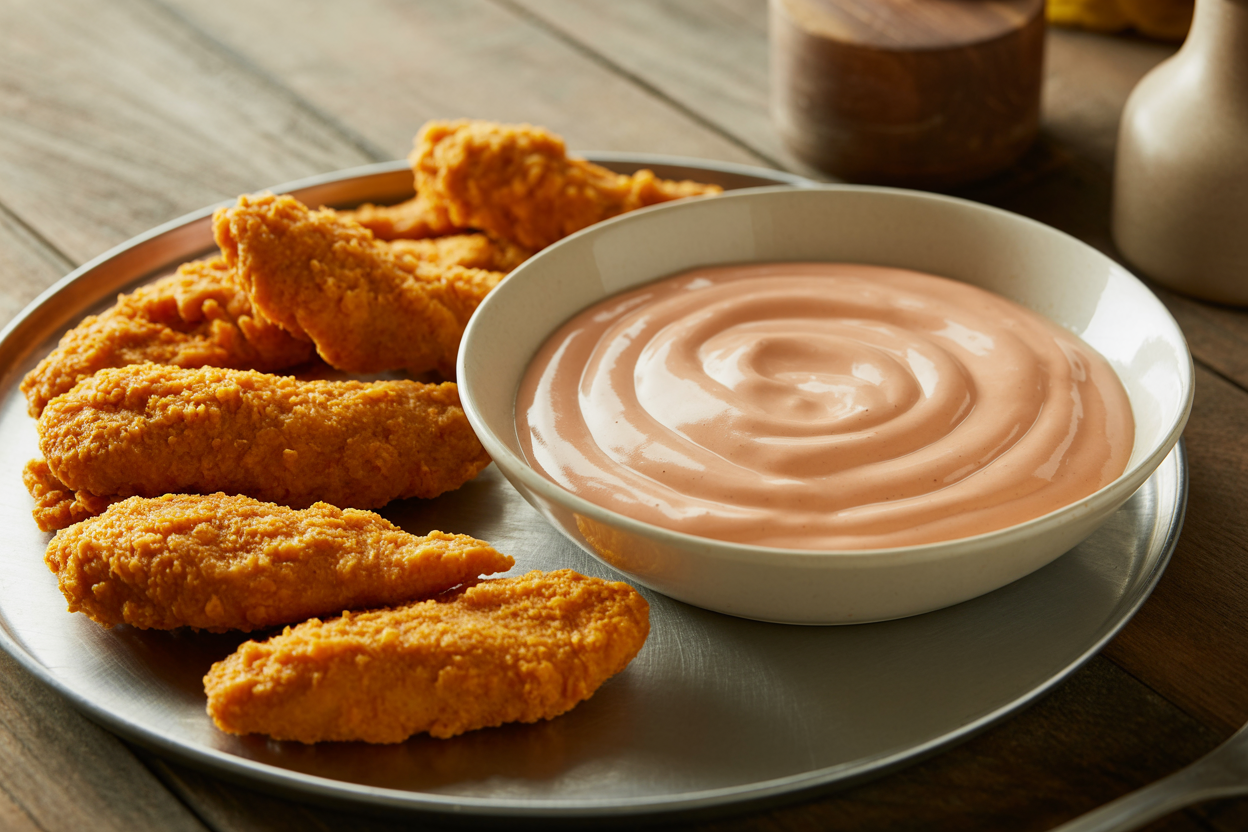
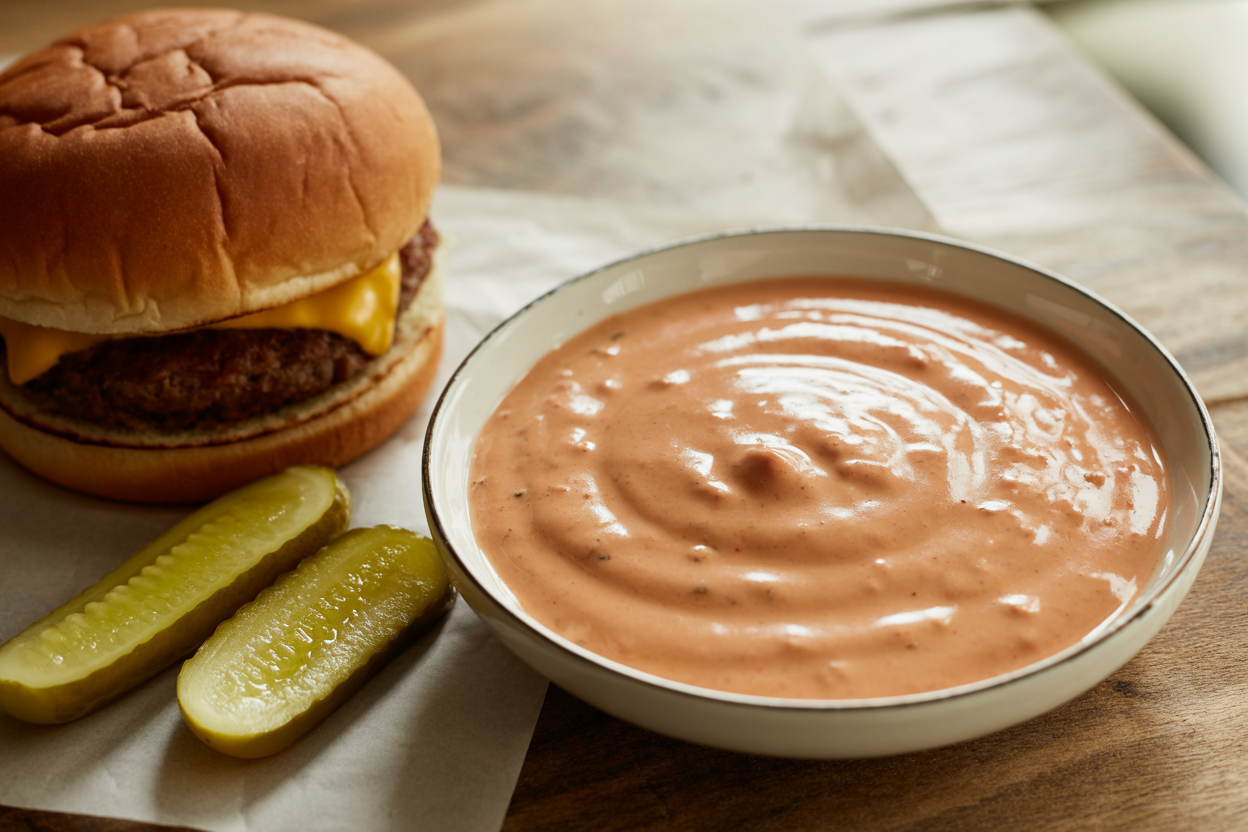
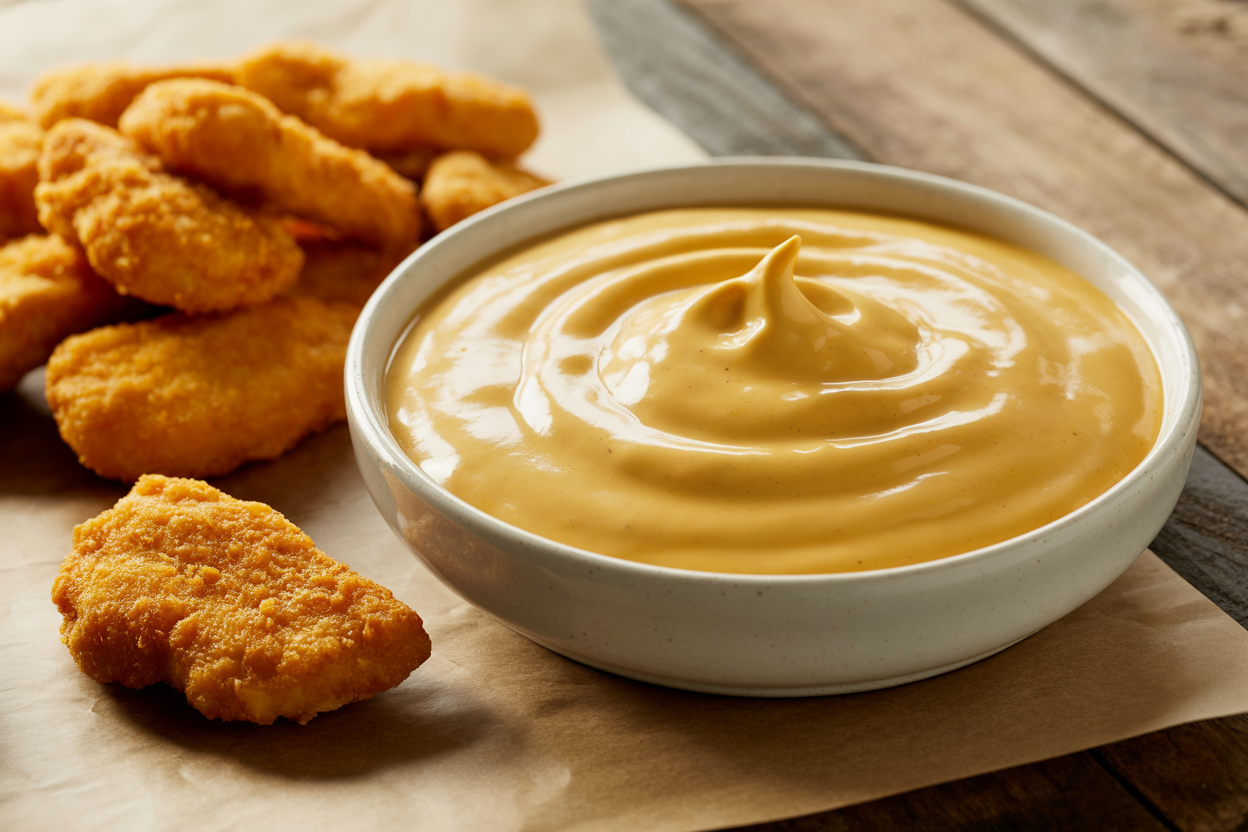
This page collects every tested copycat recipe on FoodieManiac—from fast-food classics like our Chick-fil-A Sauce, Big Mac Sauce, and Raising Cane's Sauce to sit-down restaurant recreations like Shake Shack ShackSauce and Popeyes Cajun Gravy. If you own a Thermomix, several of these sauces are also available as Thermomix-adapted recipes for even faster preparation.
How to Get the Best Results
Rest time matters. Most copycat sauces improve dramatically after 30–60 minutes in the fridge. The flavours meld the same way a marinade penetrates meat—time lets the acid (vinegar, lemon juice, pickle brine) soften sharper notes and bring everything into balance. For Big Mac sauce and Cane's sauce in particular, overnight rest produces a noticeably closer match to the original.
Use the right base. Full-fat mayo is essential for sauces like Chick-fil-A and ShackSauce. Low-fat versions break down faster and produce a thinner consistency. If you need a lighter option, Greek yoghurt works better than light mayo in most of these recipes. For the science behind why some bases hold and others don't, check out our article on the science of emulsification.
Measure carefully on your first batch. Once you've made a recipe once and tasted the result, feel free to adjust—more garlic powder, less sugar, extra pickle relish. That's the whole point of making sauces at home: you control the flavour. Our guide on balancing acid, fat, sugar, and salt can help you fine-tune any sauce to your taste.
Storage & Shelf Life
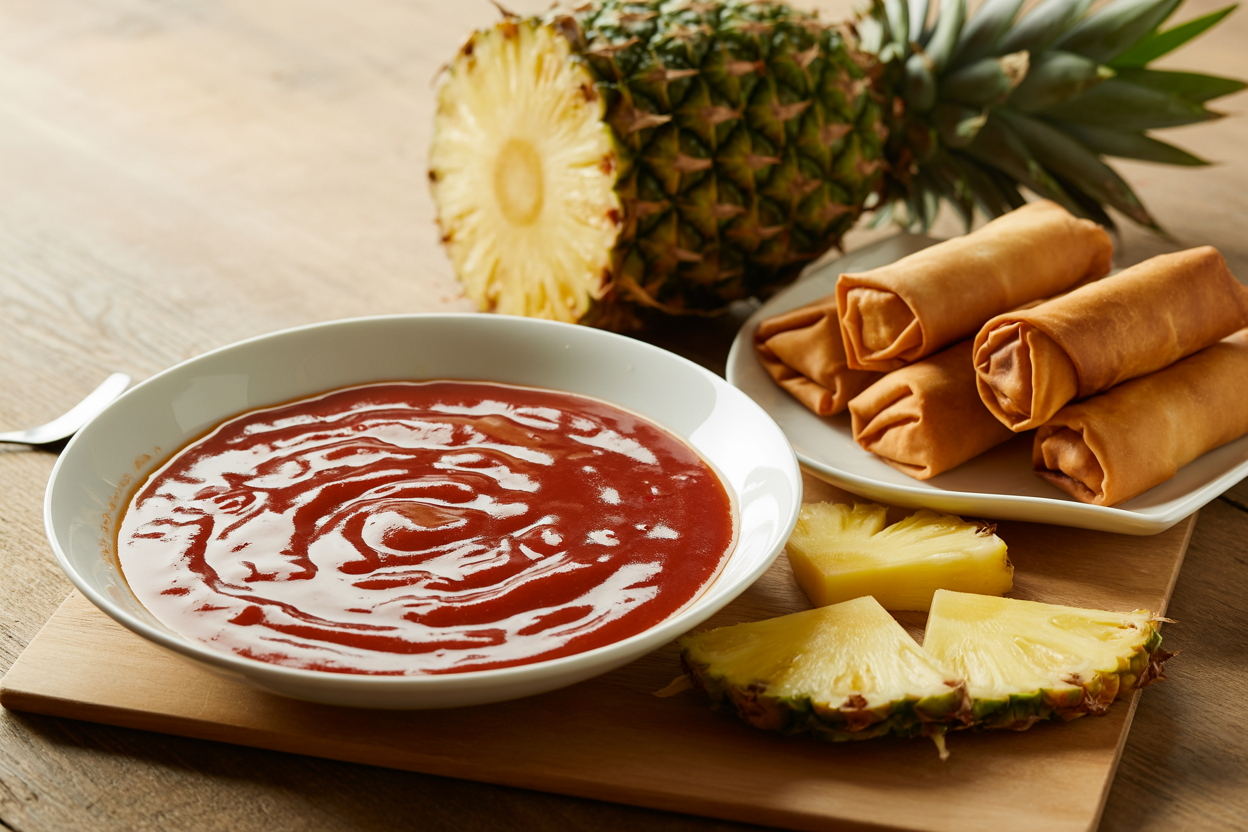
All copycat sauces in this collection store well in airtight glass jars for 7–10 days refrigerated. Because they lack commercial preservatives, I don't recommend freezing mayo-based sauces (the emulsion breaks upon thawing). Ketchup-heavy sauces like Sweet and Sour or Orange sauce freeze perfectly in ice-cube trays for up to 3 months—pop a cube out whenever you need a quick dipping sauce.