Why Make Dressings from Scratch?
Read the label on most store-bought dressings and you'll find soybean oil, high-fructose corn syrup, xanthan gum, and preservatives you can't pronounce. Making dressings at home takes 5 minutes or less, costs about the same per serving, and gives you complete control over ingredients. Swap olive oil for seed oils, use real Parmigiano-Reggiano instead of “cheese flavour,” and skip the added sugar entirely. If you need ideas for fast sauces that work on busy nights, our guide on quick weeknight sauces covers several dressings you can make while the pasta boils.
Beyond health, homemade dressings simply taste better. Fresh lemon juice, real garlic, and herbs you can see make a noticeable difference that even picky eaters notice. My family went from tolerating salad to requesting it once I stopped buying bottled dressing.
What You'll Find in This Collection
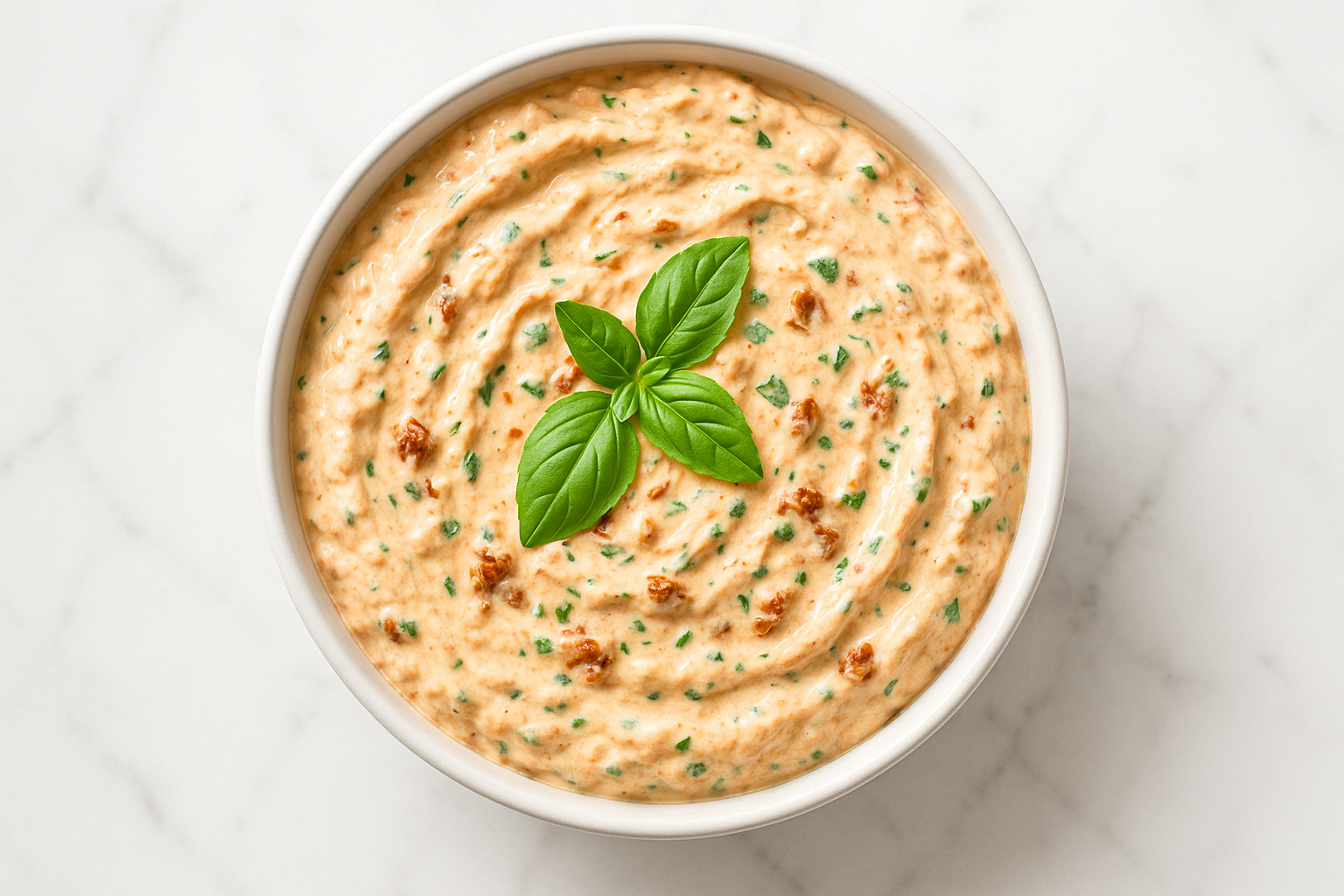
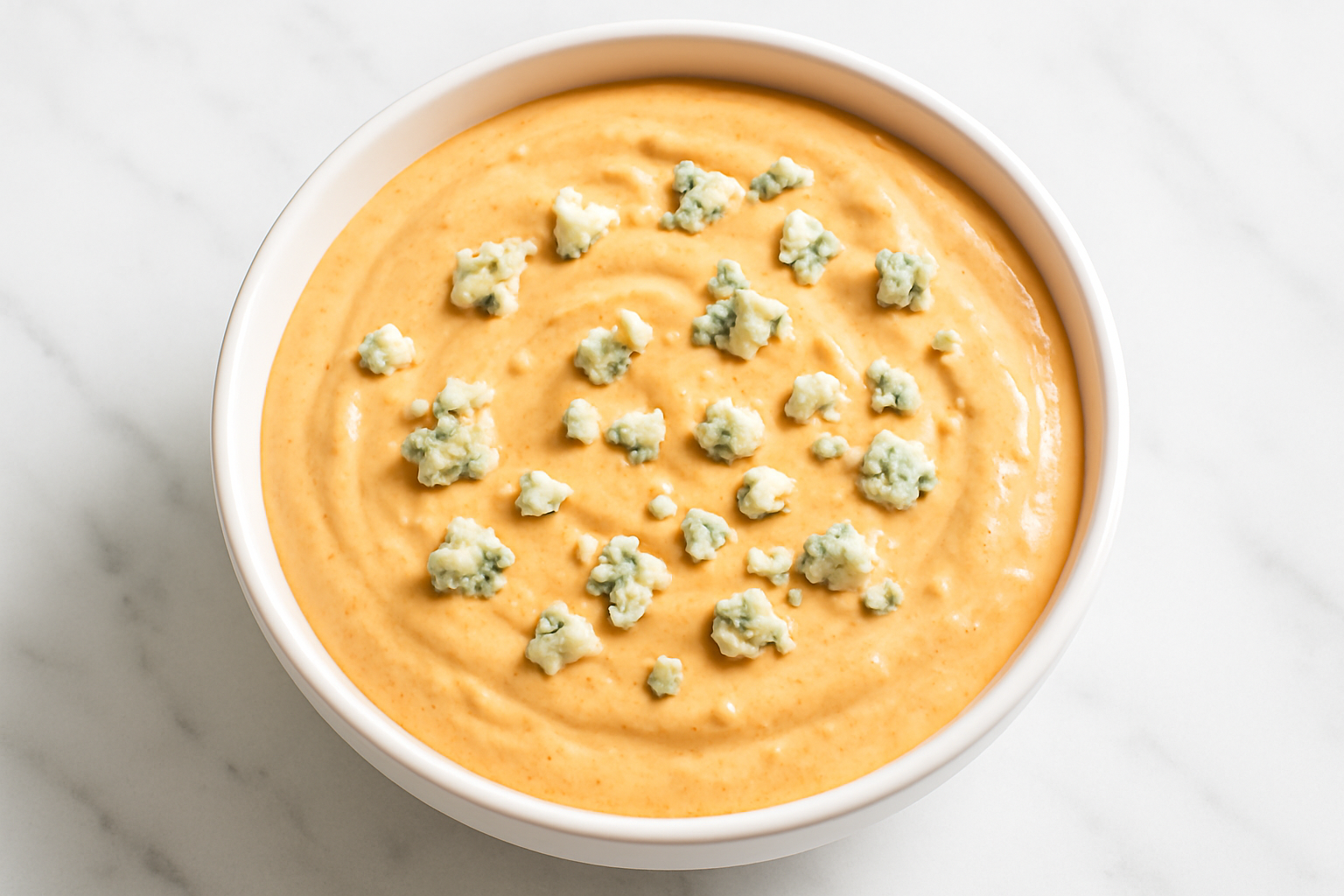
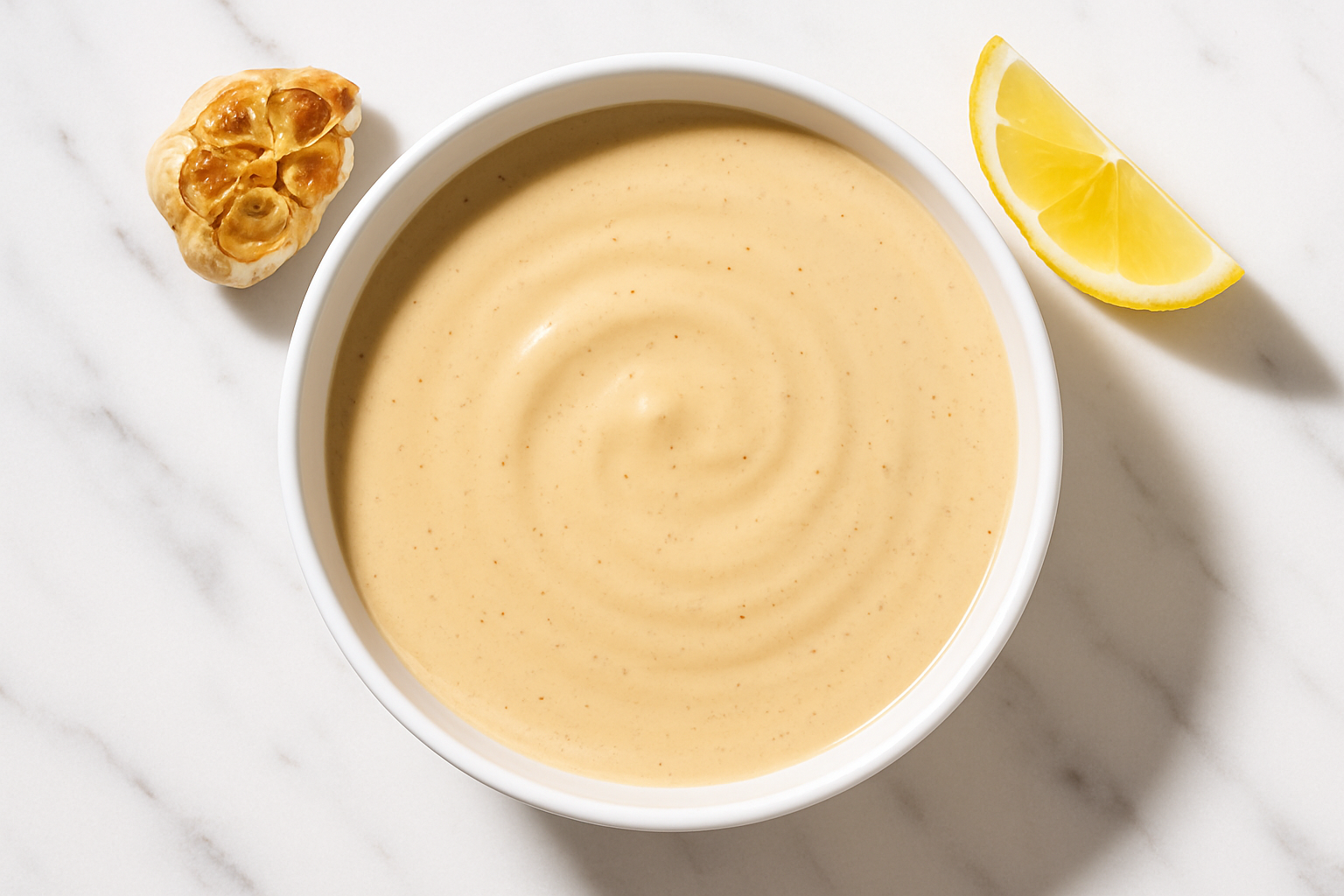
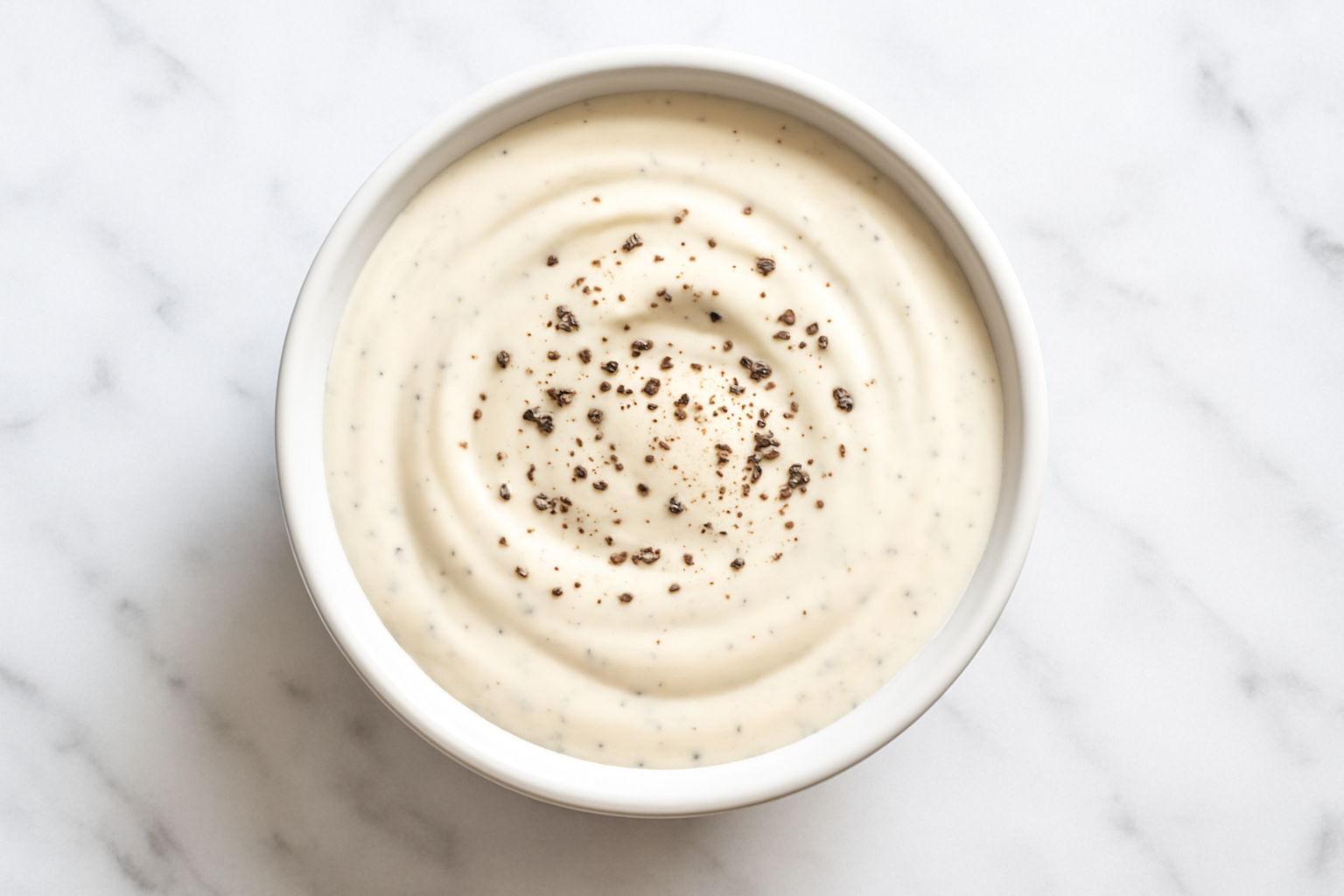
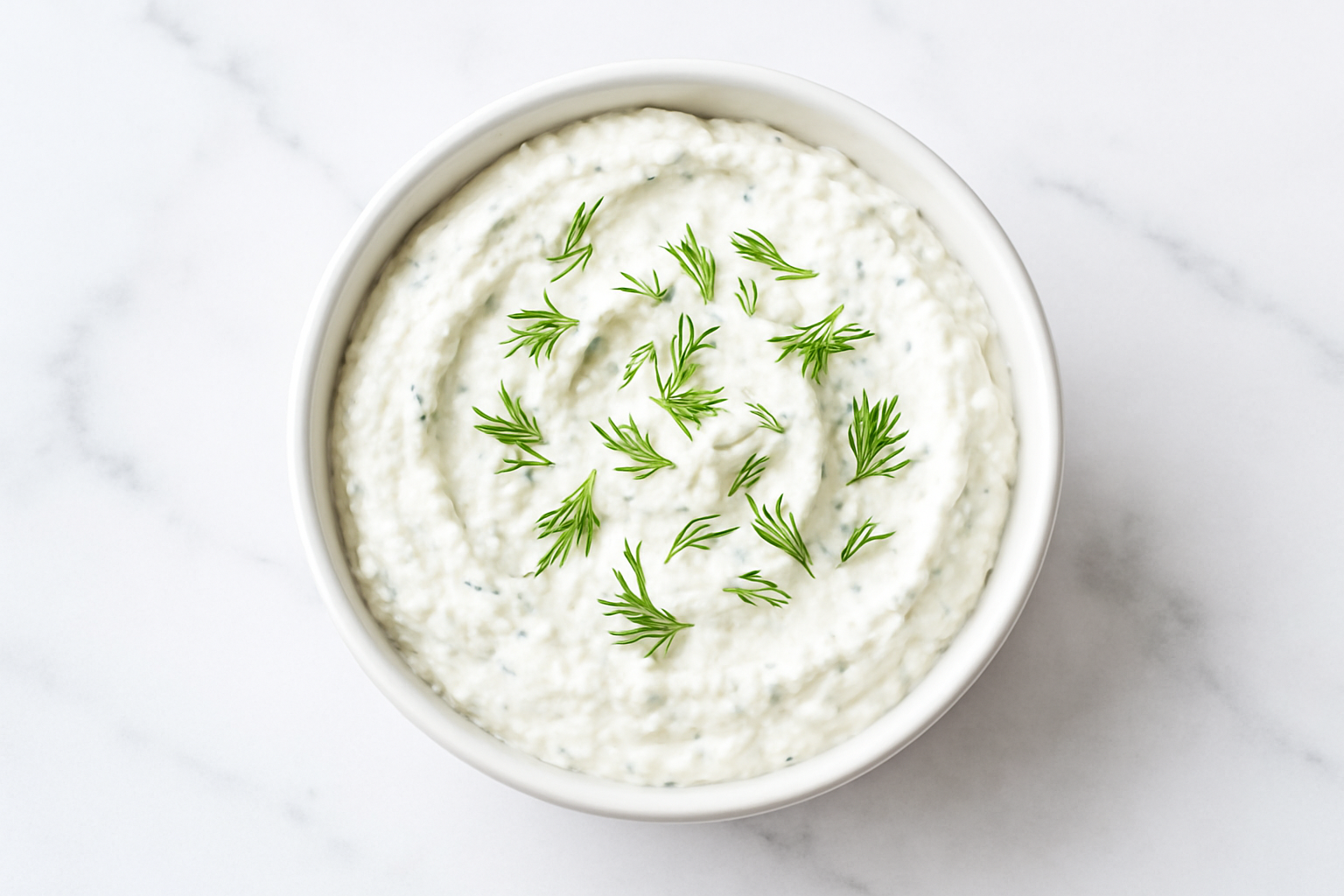
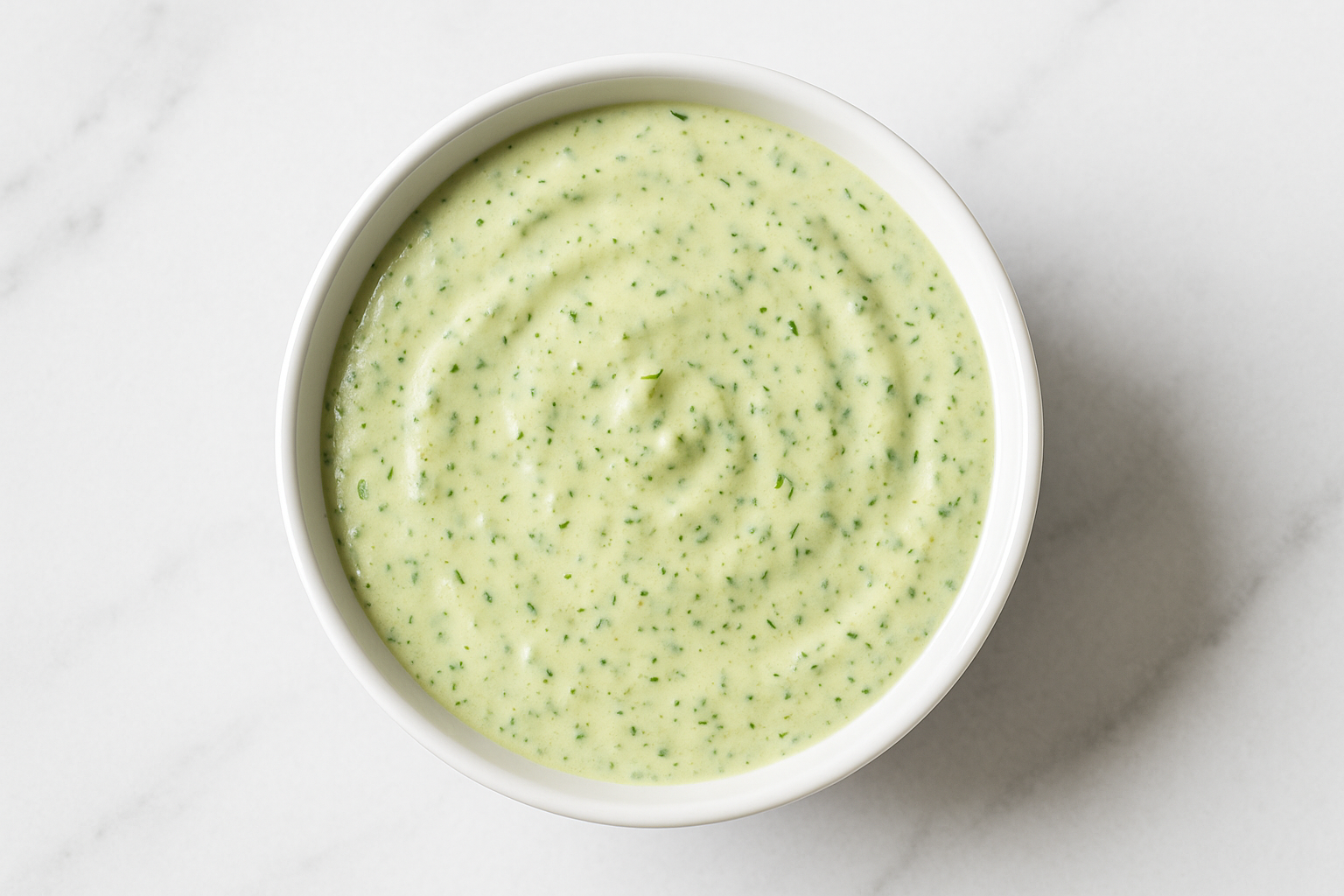
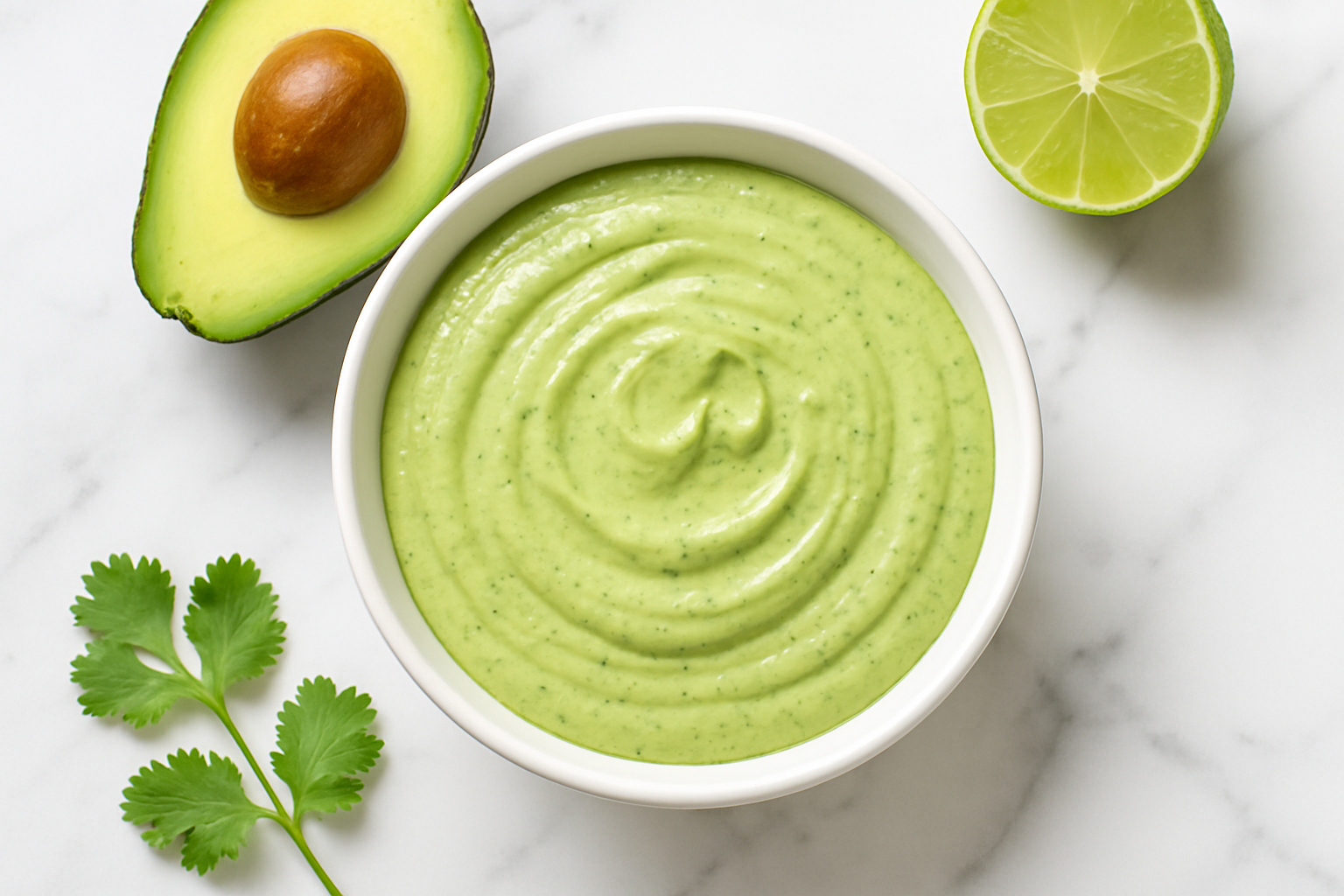
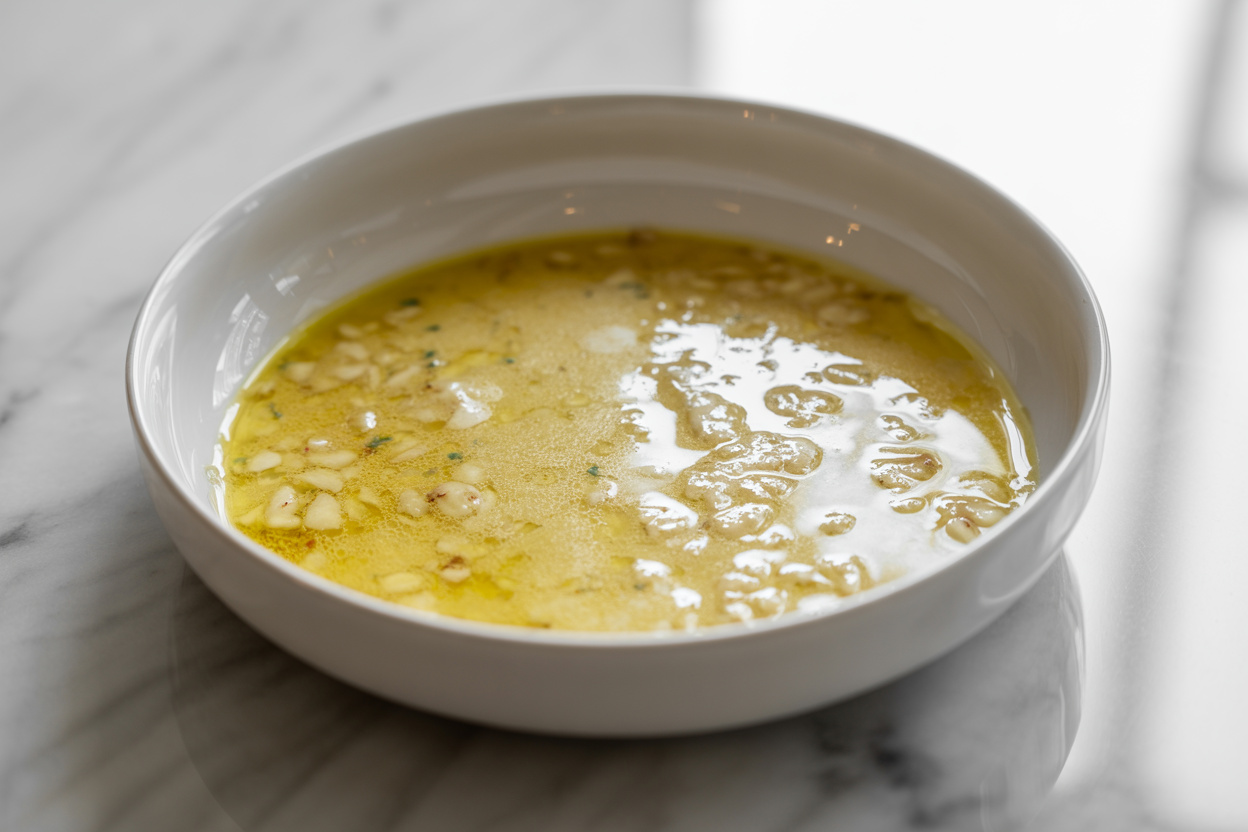
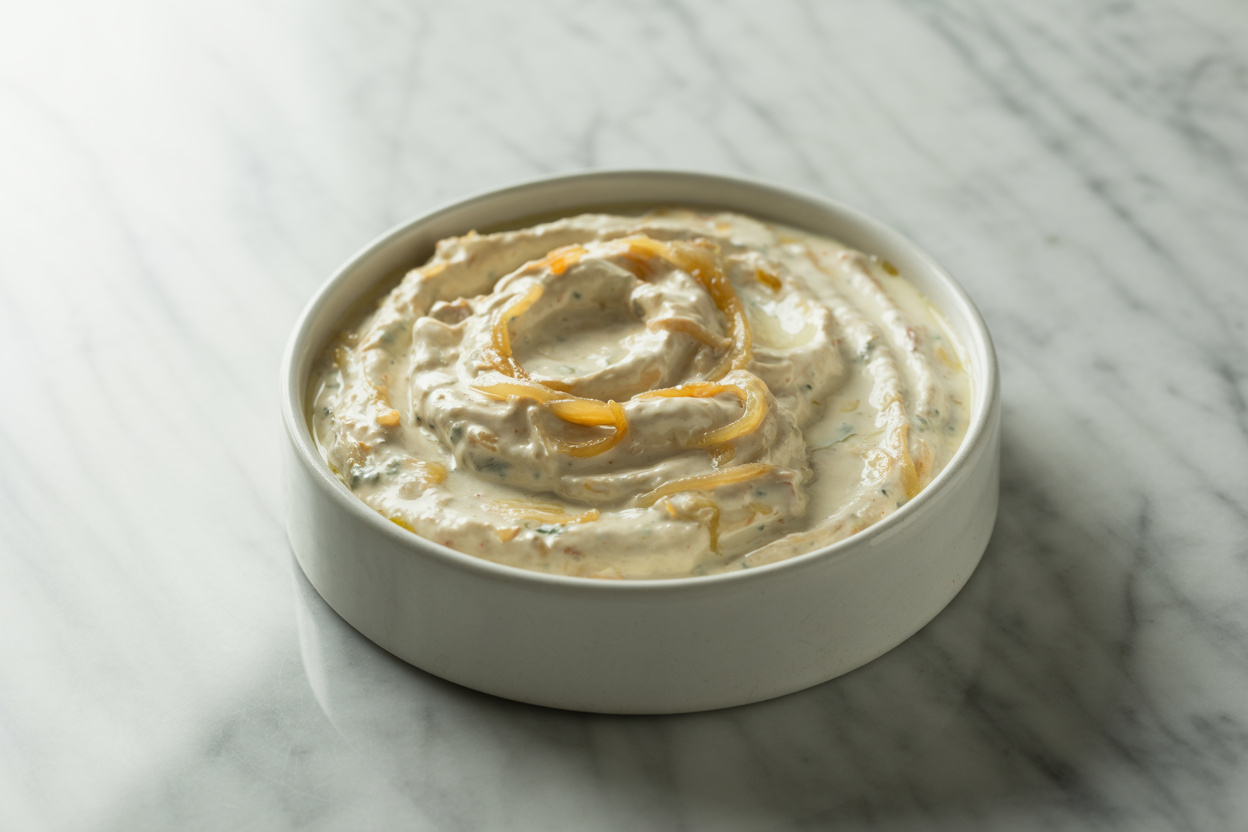
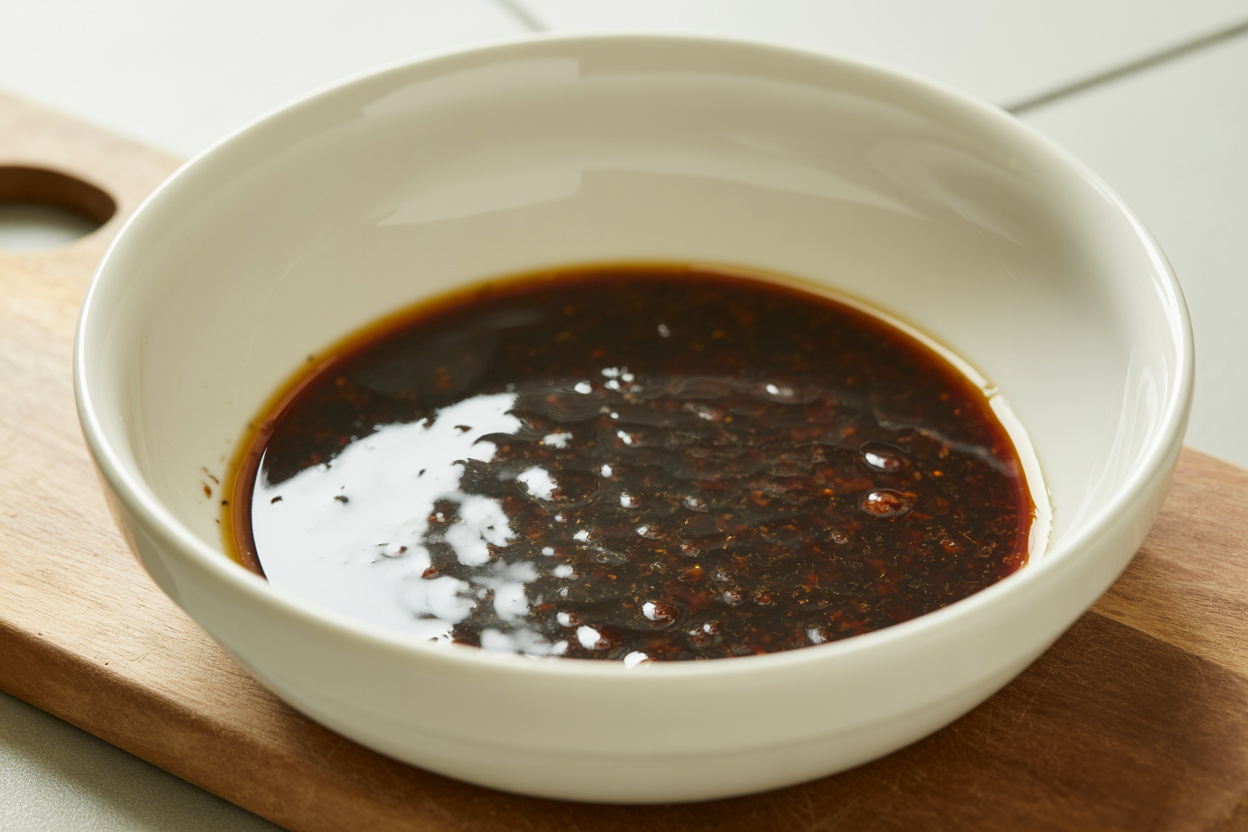
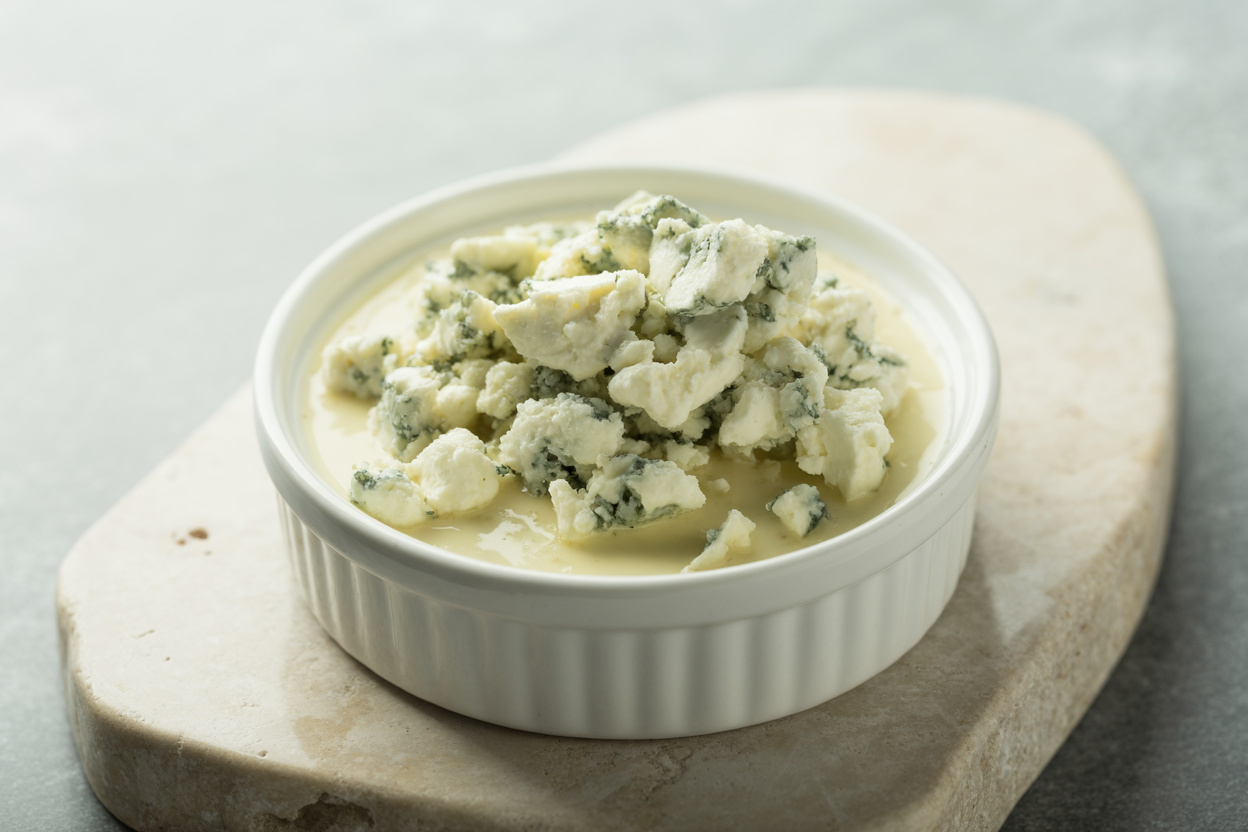
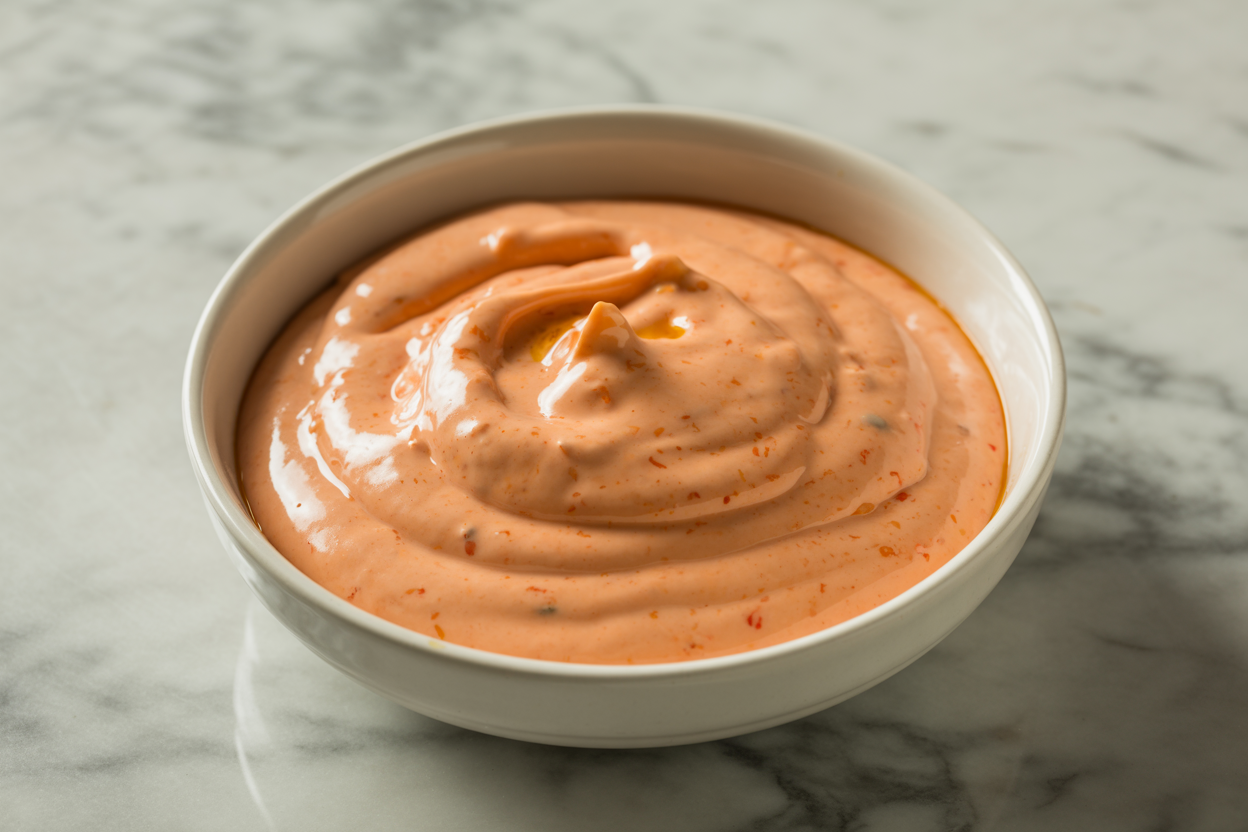
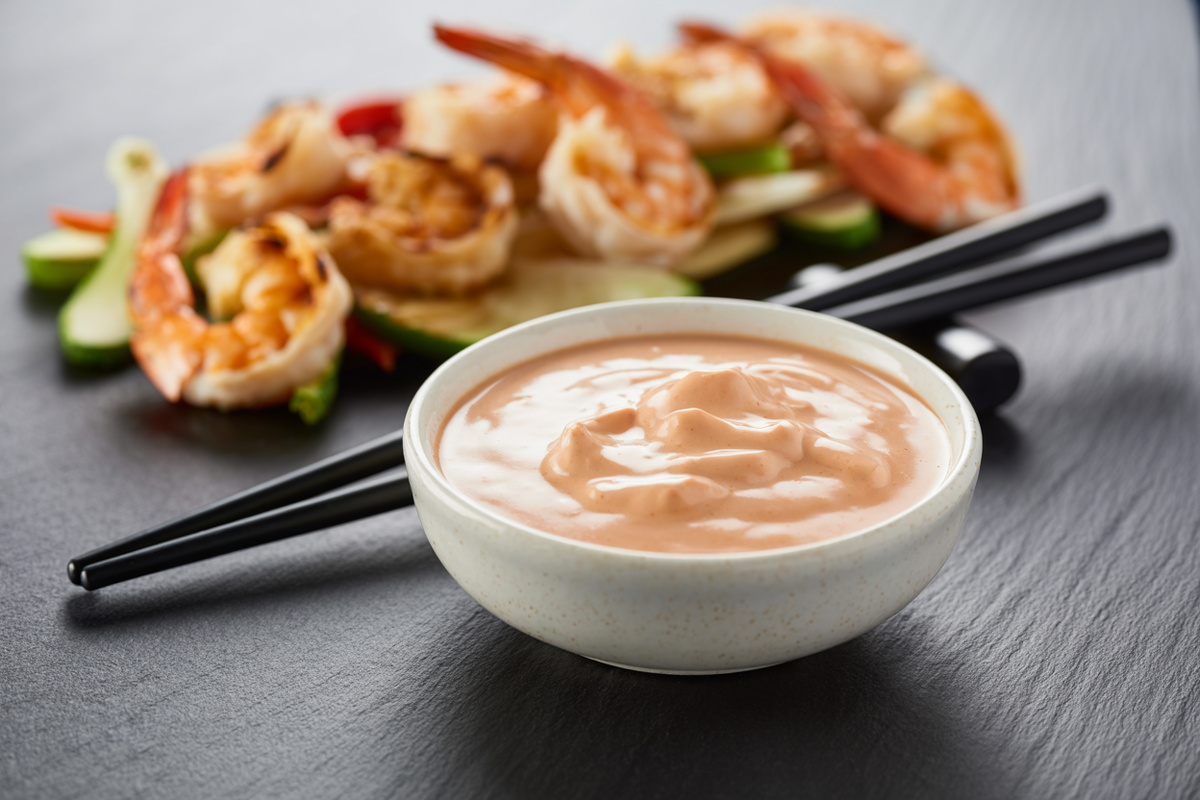
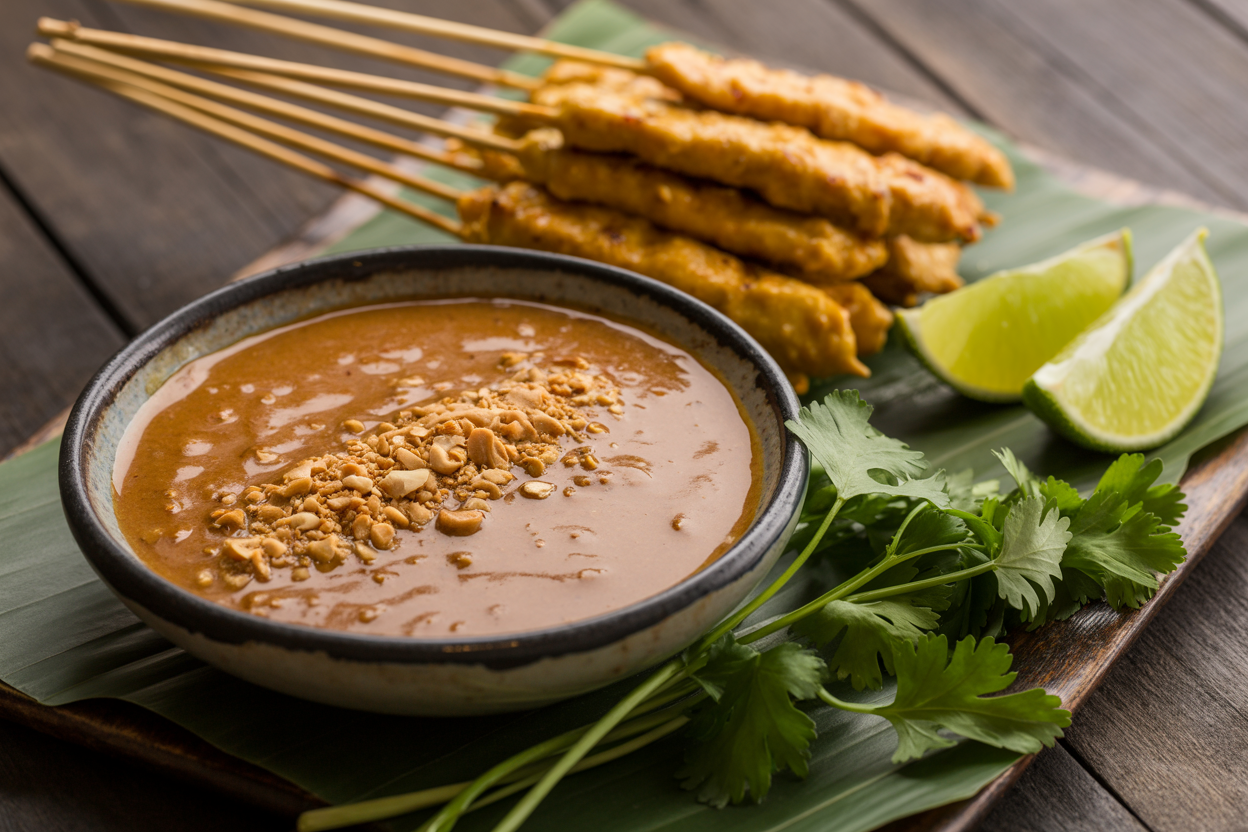
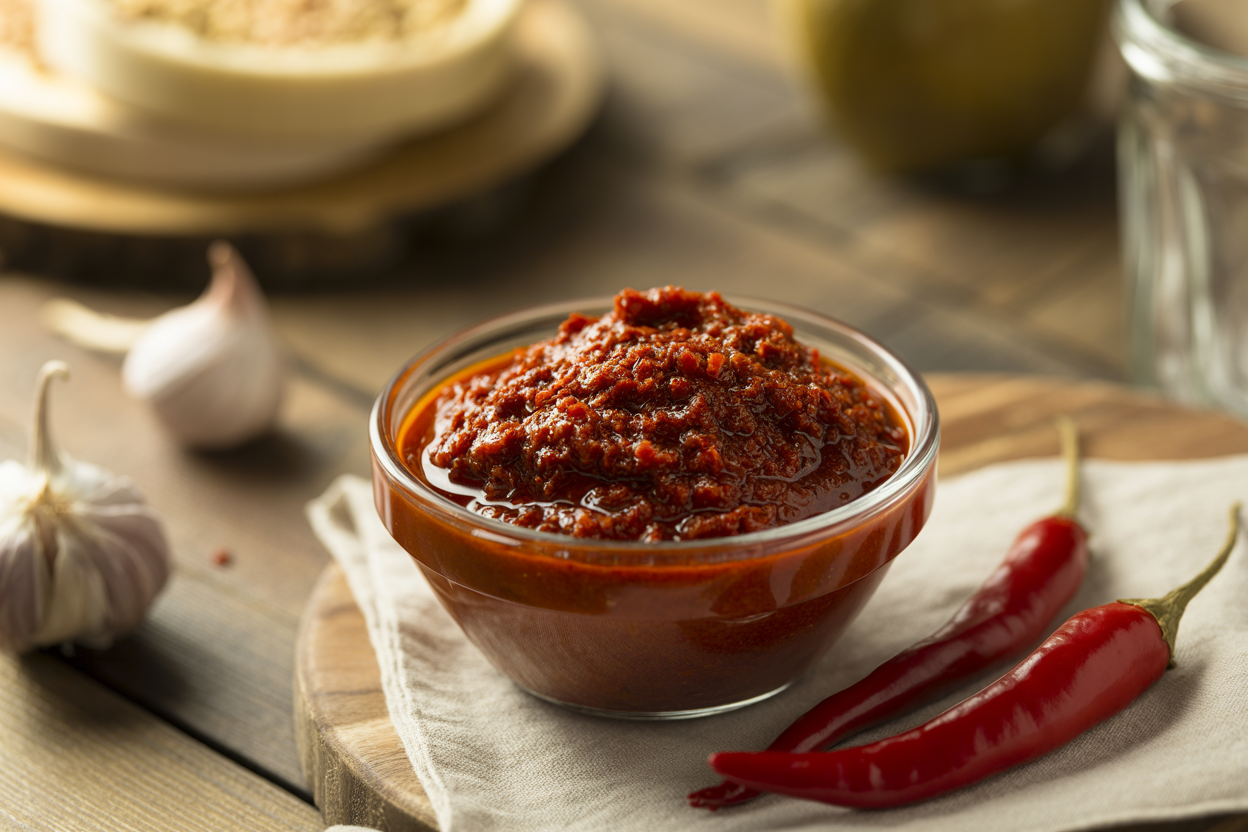
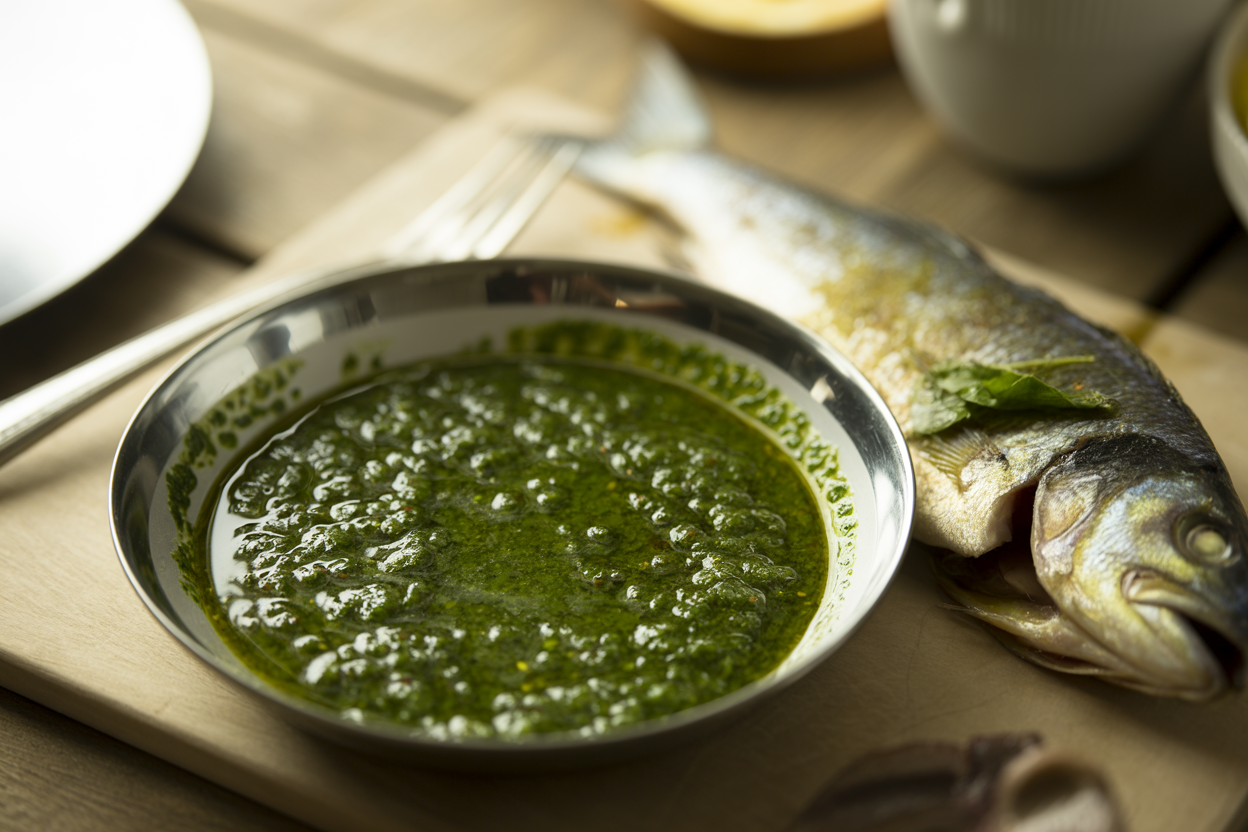
This page brings together every dressing, dip, and condiment on FoodieManiac. You'll find classic salad dressings like our Restaurant-Style Caesar and Balsamic Vinaigrette, party dips like Homemade French Onion Dip and Chunky Blue Cheese, international sauces like Authentic Thai Peanut Sauce and Moroccan Chermoula, and versatile staples like Restaurant Garlic Butter and Sriracha Mayo. For more on how different cultures approach condiments, see our article on global sauce traditions.
The Science of Emulsification
Most dressings are emulsions—oil and water forced to mix. Understanding this helps you troubleshoot every time. The key players: an acid (vinegar, citrus juice) provides the water phase; oil provides the fat phase; and an emulsifier (mustard, egg yolk, garlic paste, honey) bridges the two. For a deep dive into why emulsions form and break, read our article on the science of emulsification.
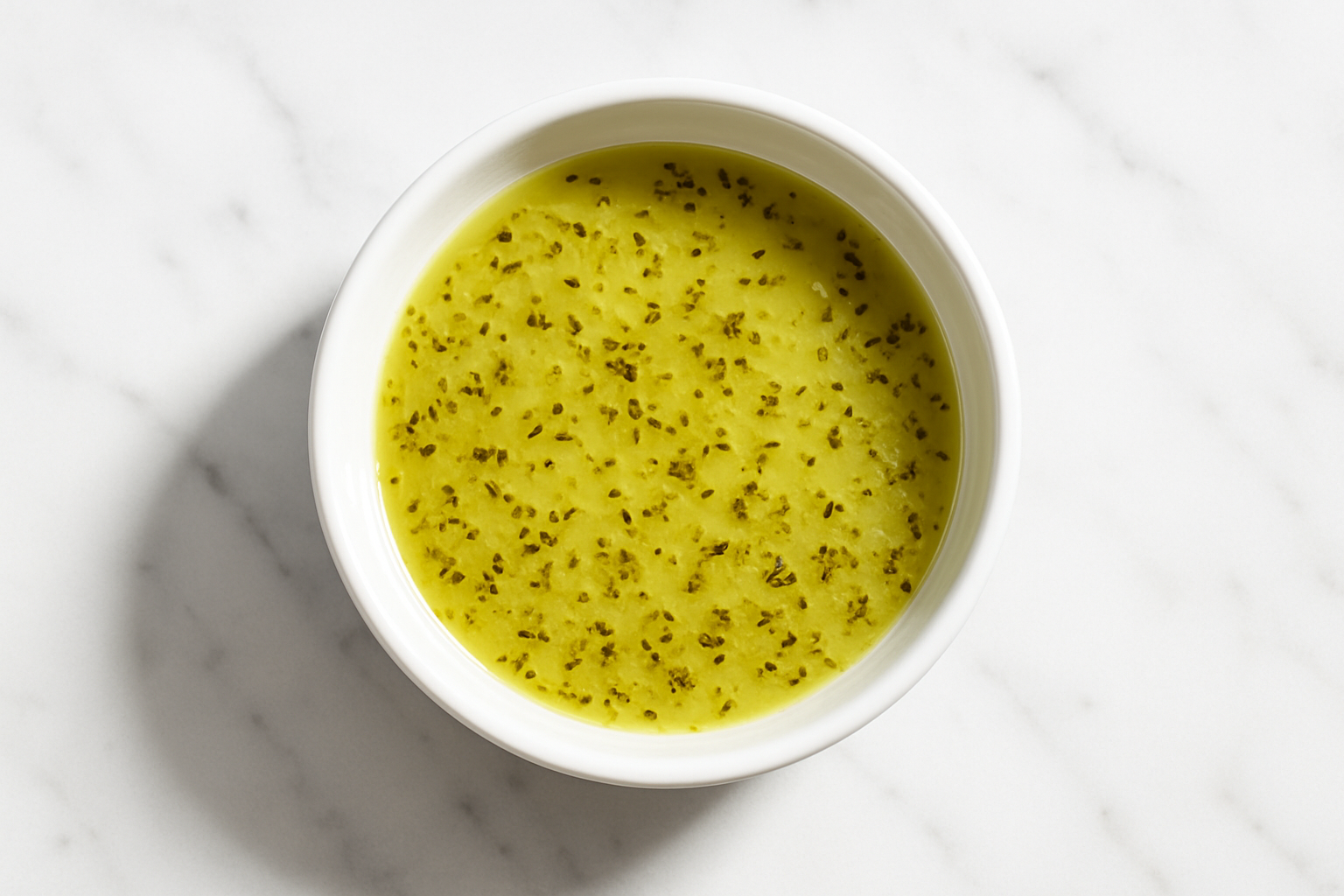
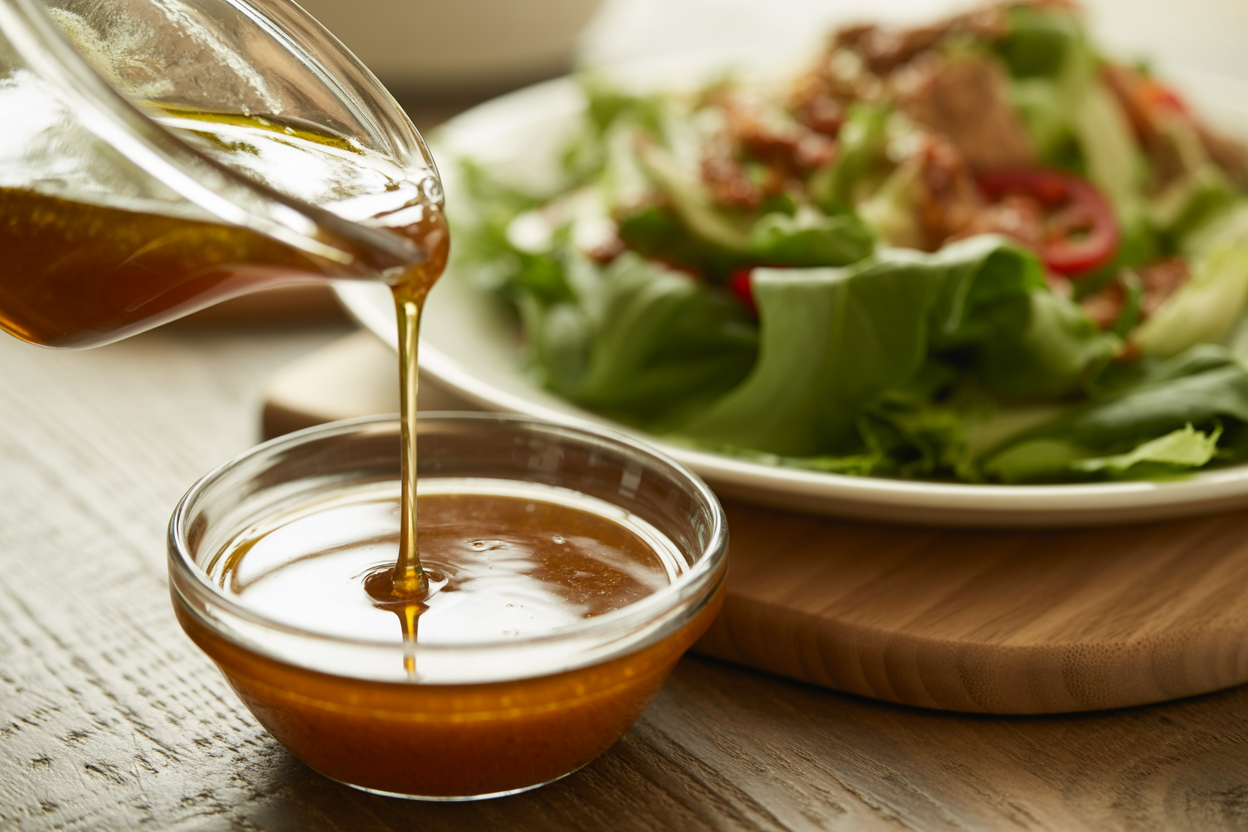
For vinaigrettes like our balsamic vinaigrette, the ratio is 3 parts oil to 1 part acid. Add the oil slowly while whisking—this creates smaller fat droplets that stay suspended longer. A teaspoon of Dijon mustard stabilises the emulsion so it holds for days instead of separating in an hour.
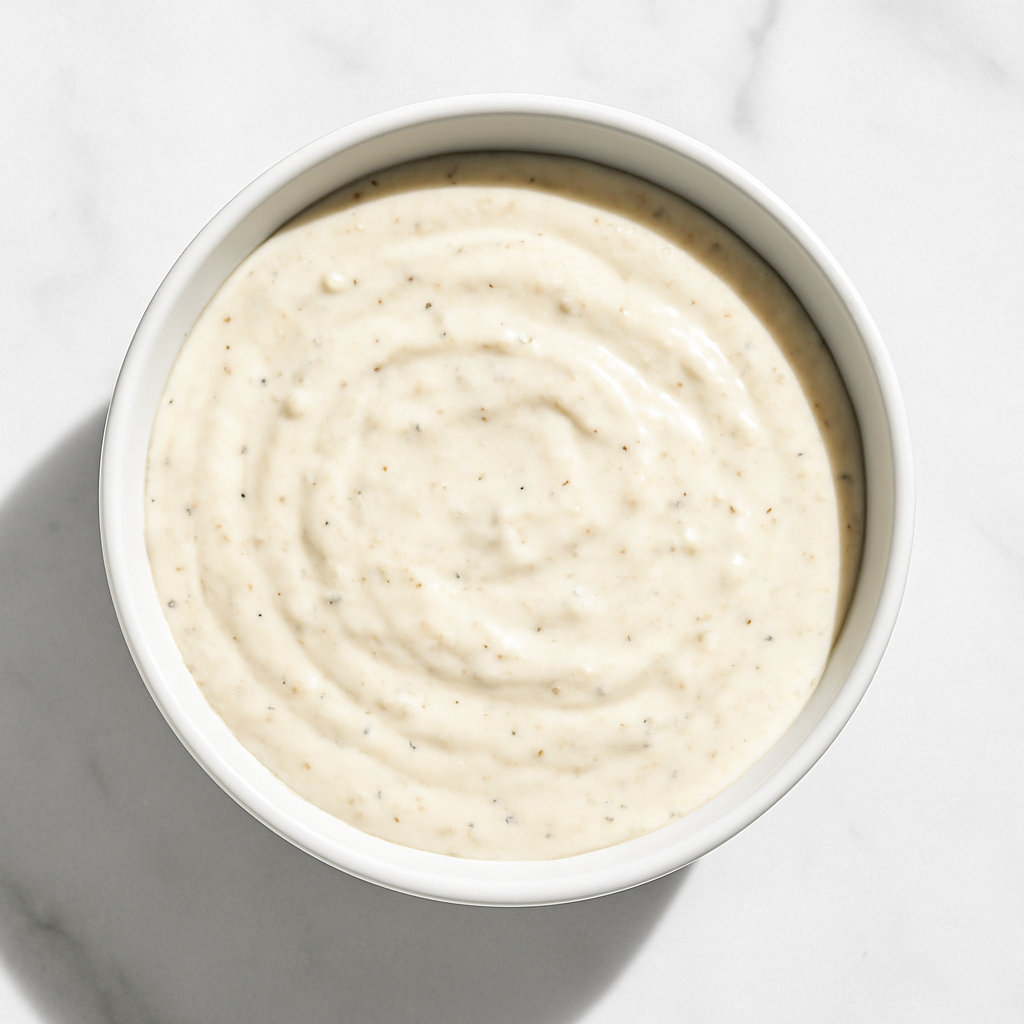
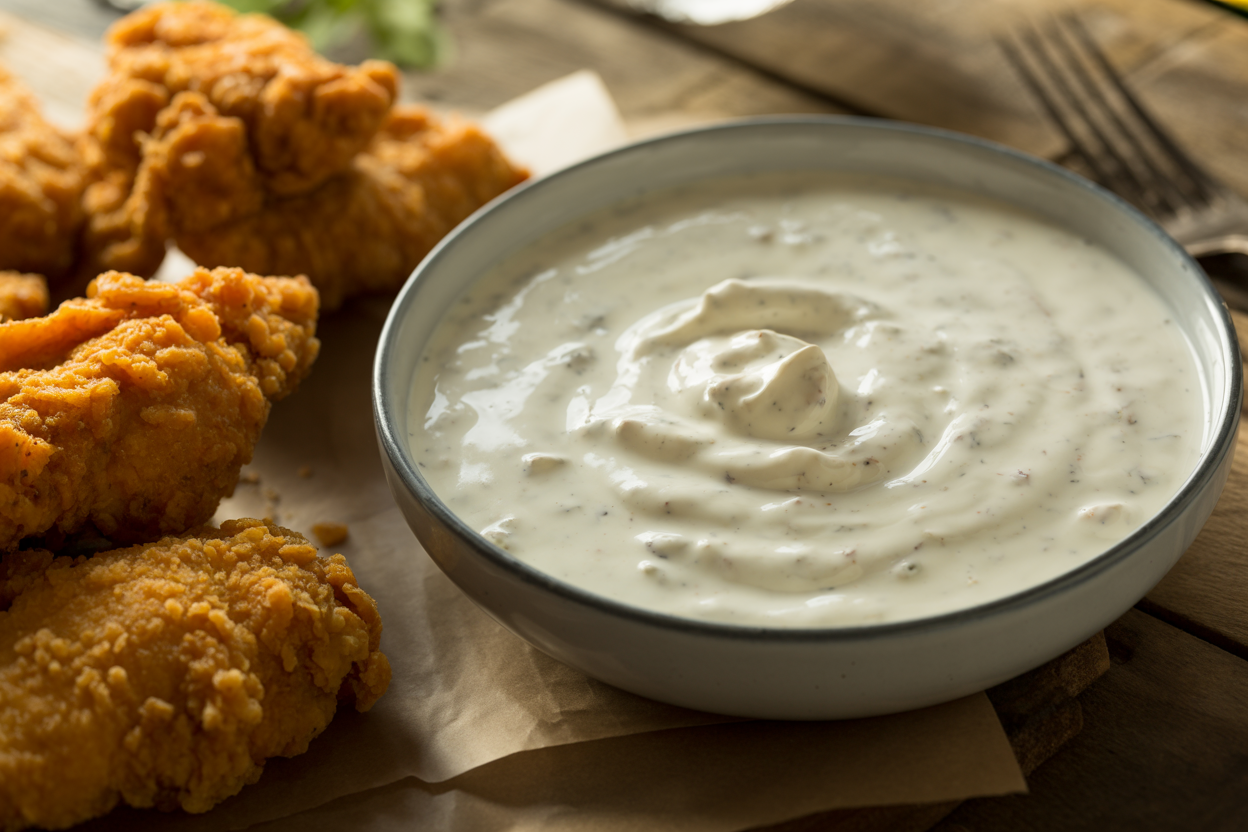
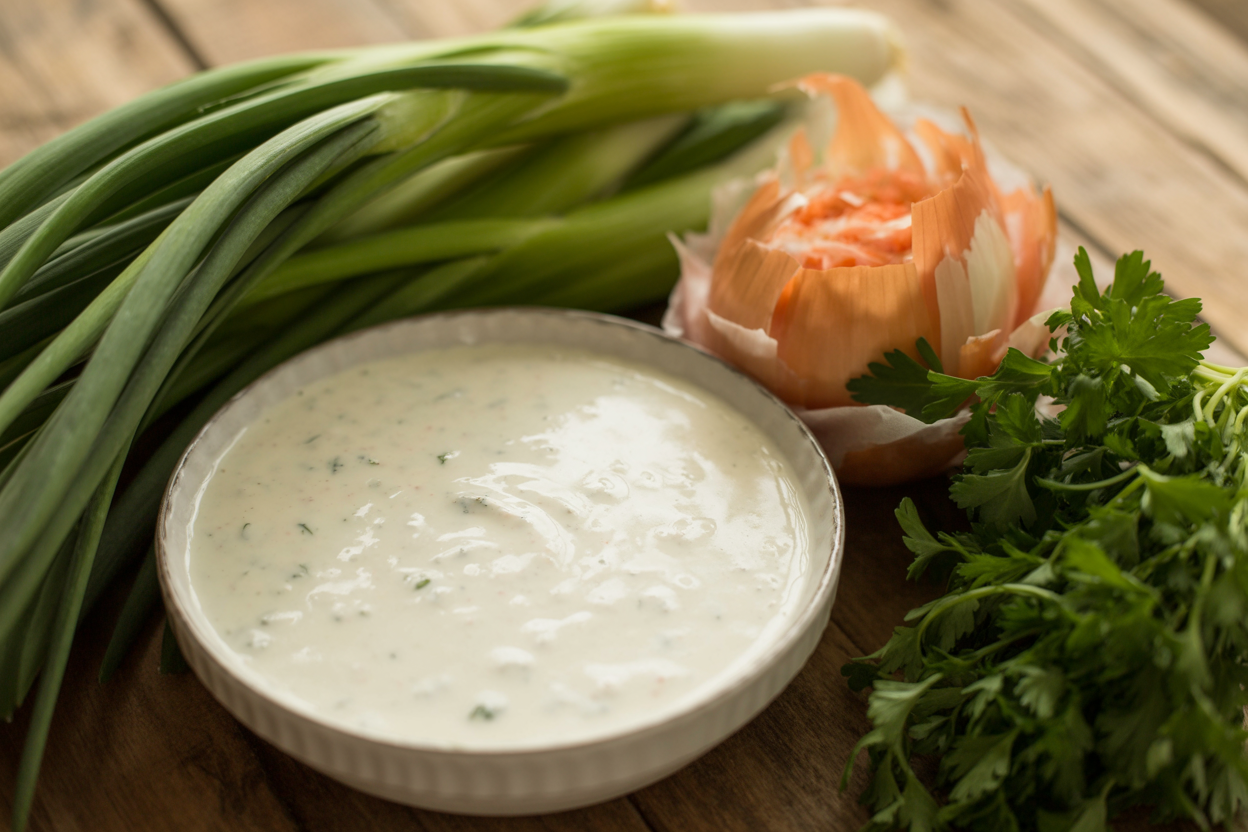
For creamy dressings (Caesar, ranch, blue cheese), the base is already emulsified—mayo or sour cream—so you just need to thin with buttermilk or lemon juice to your preferred consistency. Start thick, then add liquid a tablespoon at a time.
Storage Tips
Vinaigrettes keep 2–3 weeks refrigerated in glass jars. Creamy dressings last 5–7 days. Always use a clean spoon when serving—double-dipping introduces bacteria that shortens shelf life. If a vinaigrette separates (totally normal), just shake the jar vigorously for 10 seconds before serving. For more storage advice across all sauce types, see our article on how to store homemade sauces.